MODEL HISTORY
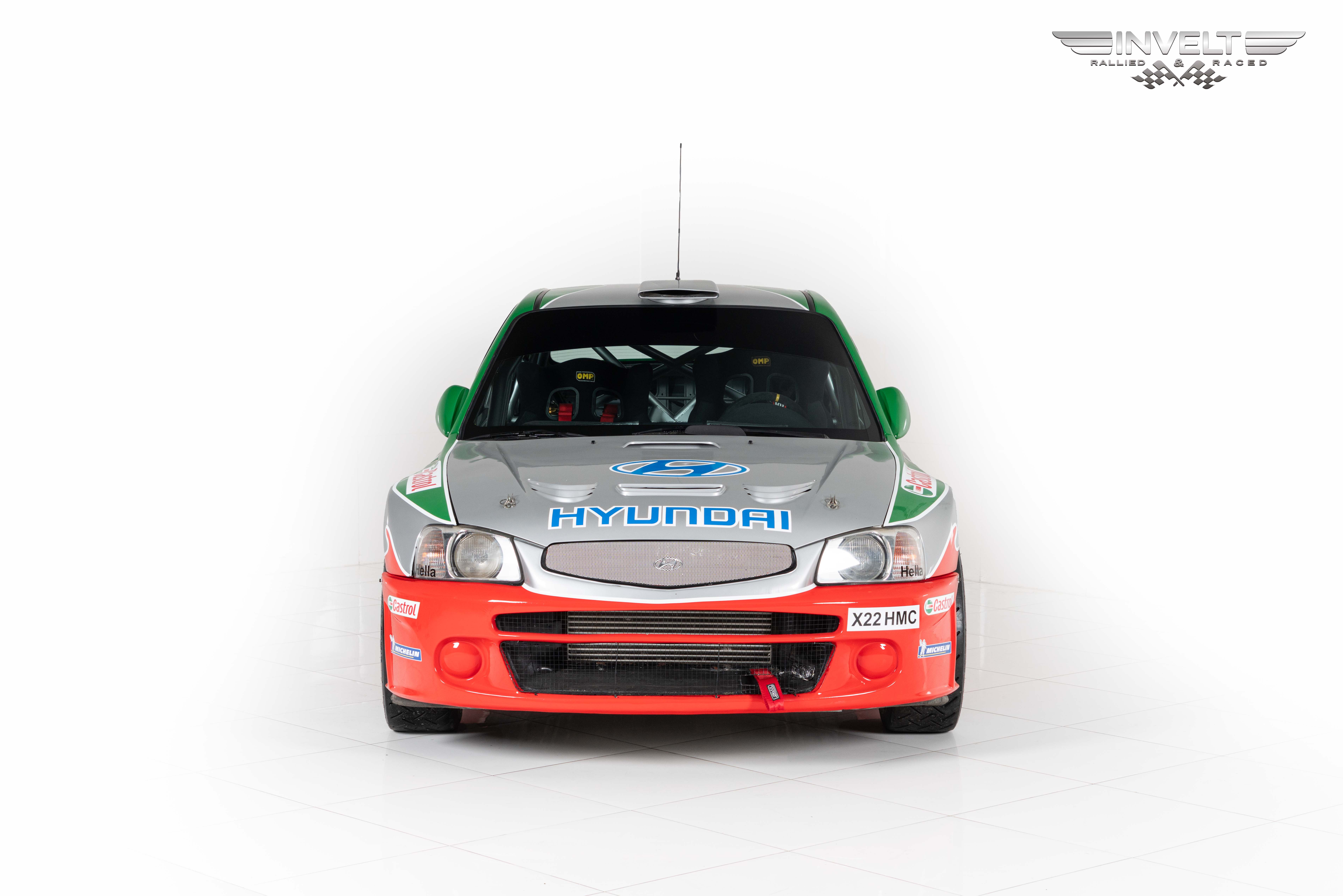
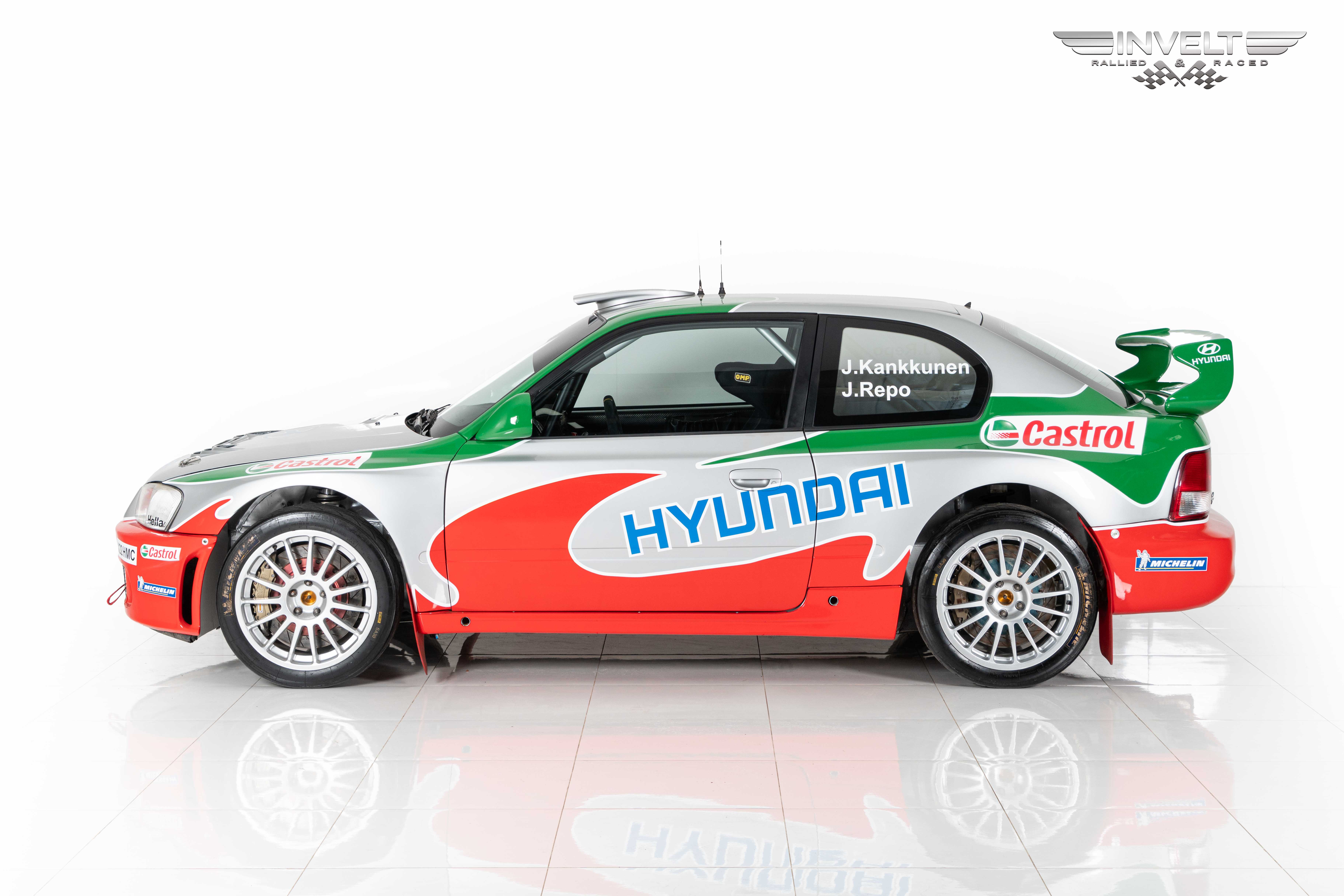
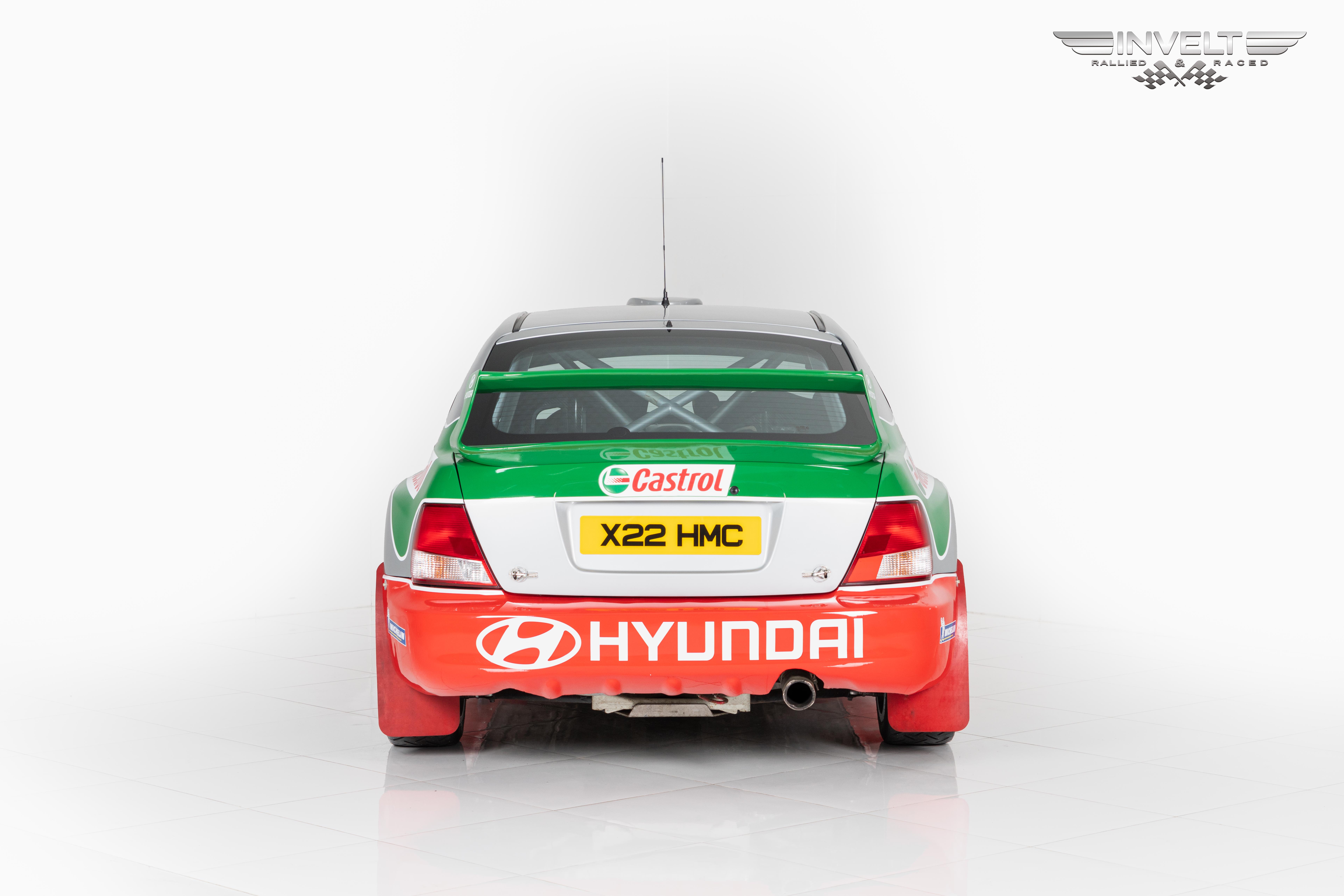
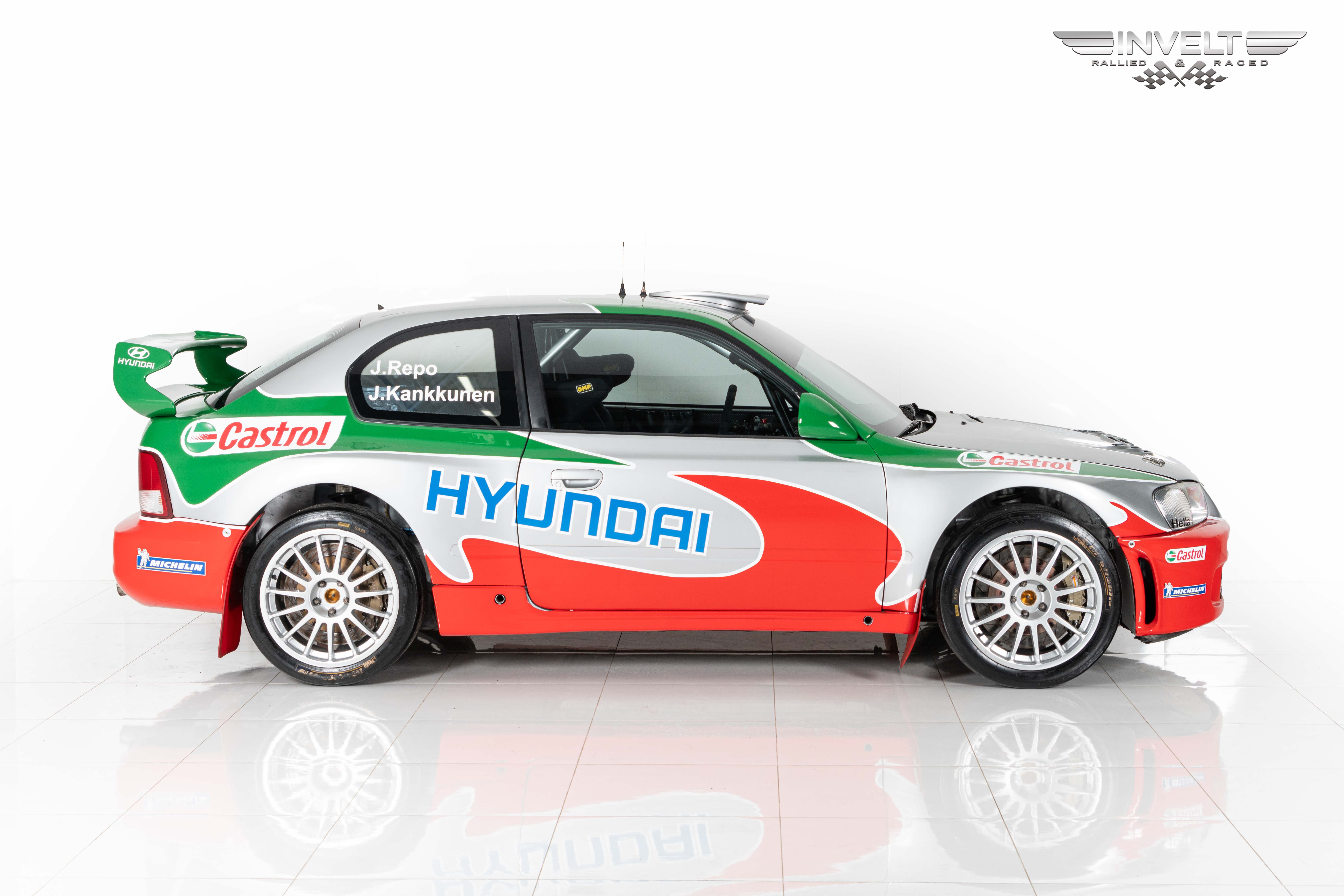
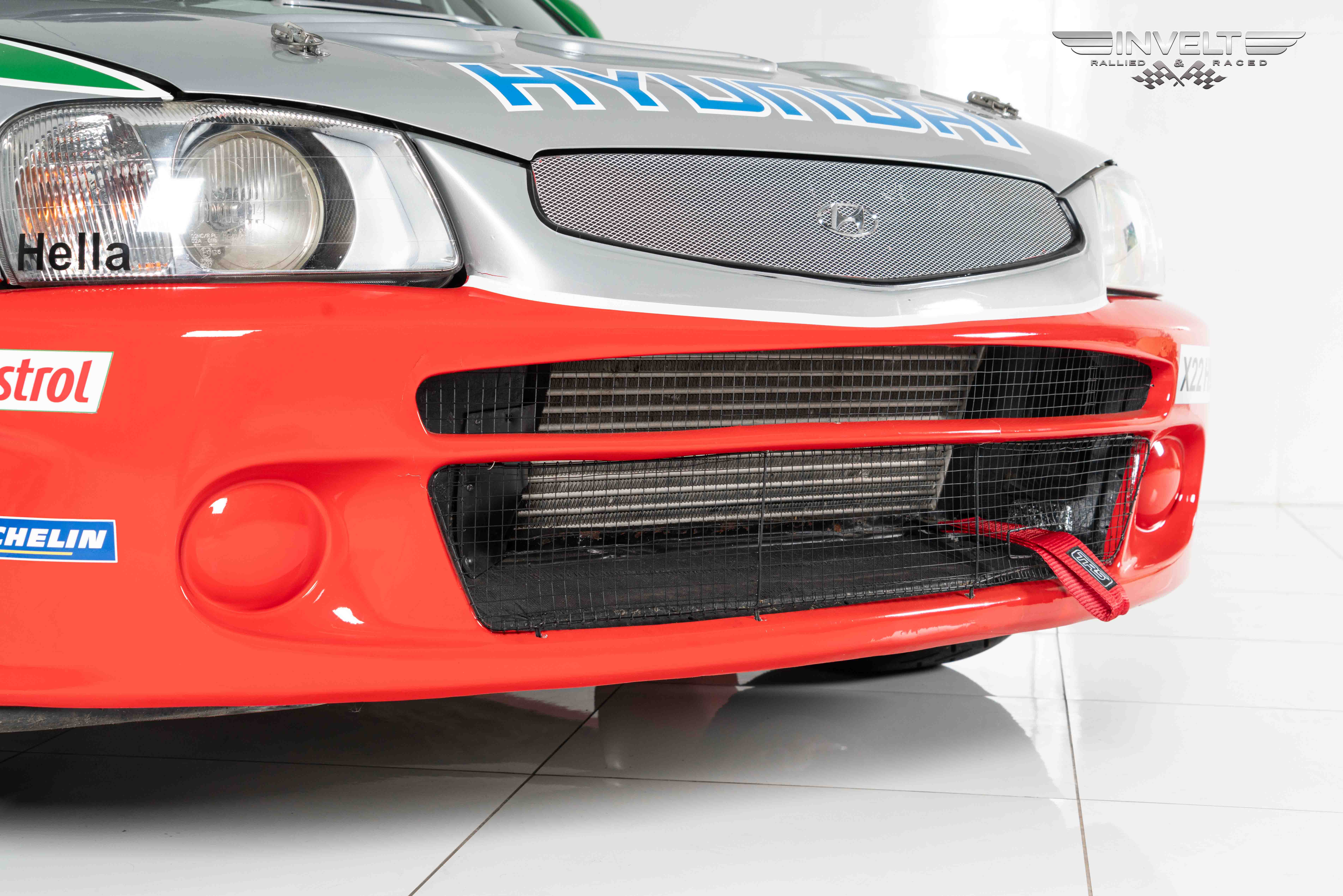
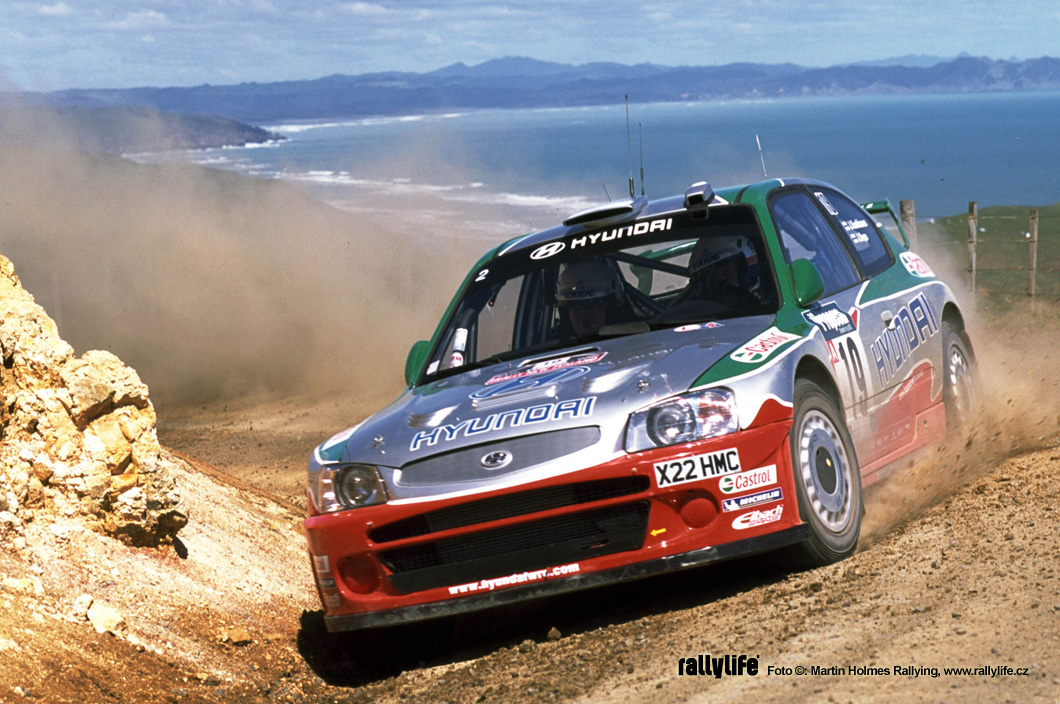
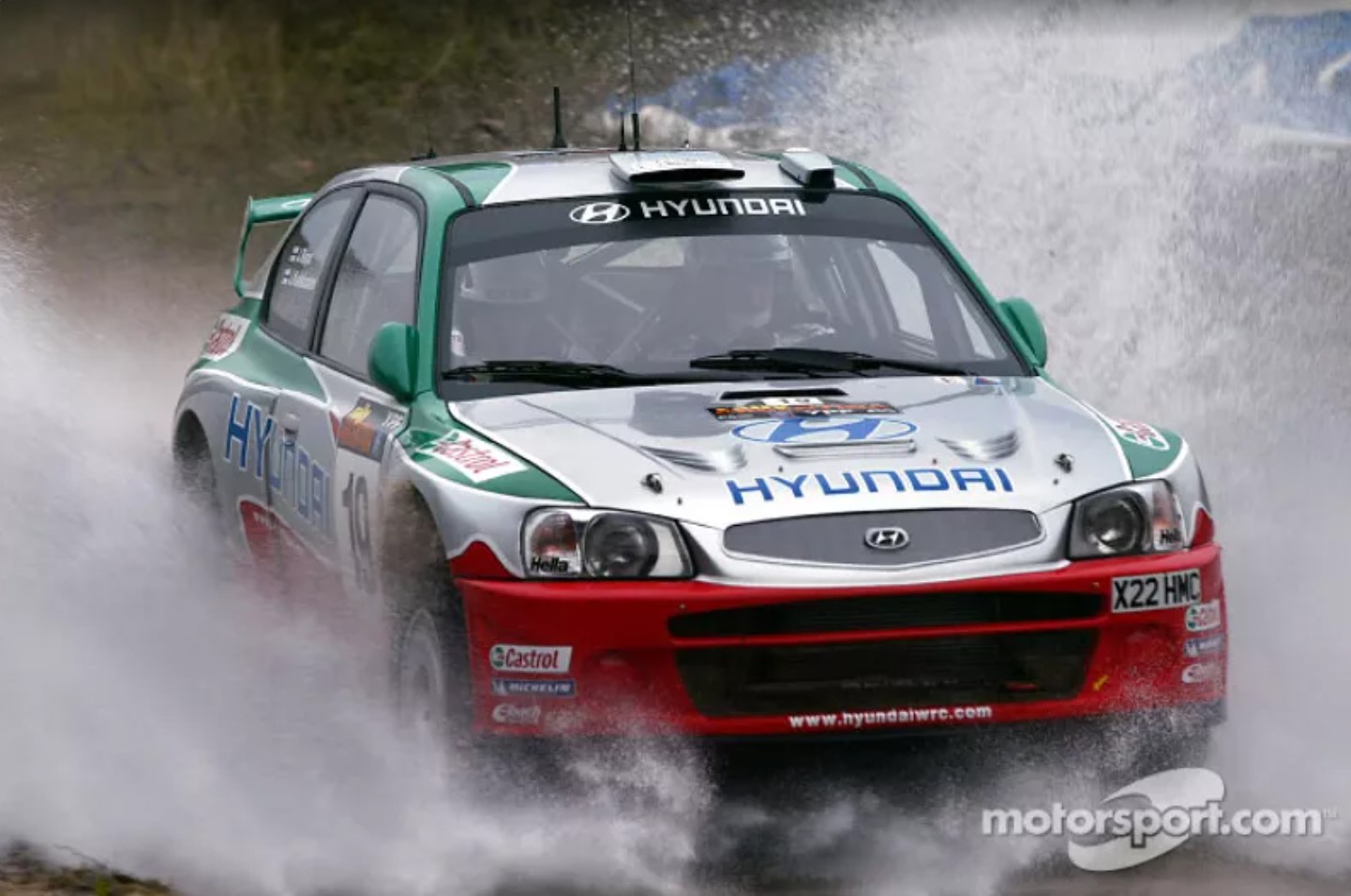
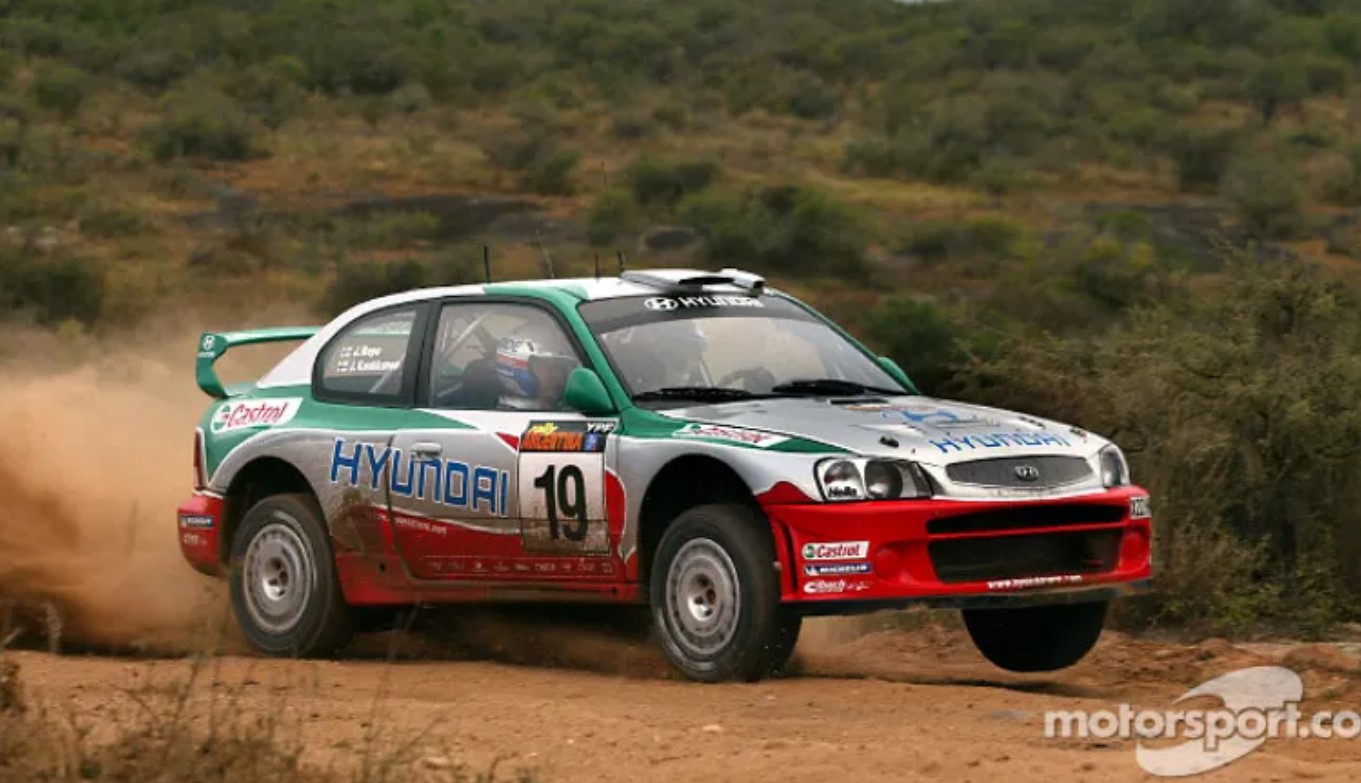
Hyundai, now a well-known and successful manufacturer in the WRC, introduced its first WRC car in 2000. The company used the Accent model as the basis for its WRC build. Although the automaker is from South Korea, the development of this car took place entirely in England. The engine was built by Mountune, a company that had already built engines for Ford and Škoda.The overall construction of the car was managed by Motor Sport Developments. Peter Stevens, who already had experience from Subaru, was responsible for the body design and aerodynamics. The transmission design was handled by Nick Clipson and Mark Way, both of whom had previously focused mainly on circuit racing cars and Formula 1. The main priority was to place the center of gravity as low as possible and between the wheels, rather than focusing heavily on the differentials. As a result, the car used only a central active differential, whereas its competitors were already utilizing active differentials in all three positions. The car featured an Xtrac gearbox, which was identical to the ones used in the Peugeot 206 and Ford Focus. At the time, the Accent had the shortest wheelbase among all WRC cars. It struggled with a cramped engine bay, and fitting the 2.0-liter engine under the hood required compromises that were far from ideal. The Accent suffered from unreliability, and even two subsequent evolutionary upgrades failed to bring any significant success. The car made its debut at the 2000 Rally Sweden. Drivers such as Kenneth Eriksson and Alister McRae got behind the wheel of the Hyundai, with Armin Schwarz and Juha Kankkunen joining them in the following years. The team's best result was a 4th-place finish by Kenneth Eriksson at the 2001 Rally New Zealand. The team withdrew before the end of the 2003 season and did not return until 2014, though by then, it was a completely different Hyundai team.
OUR CAR
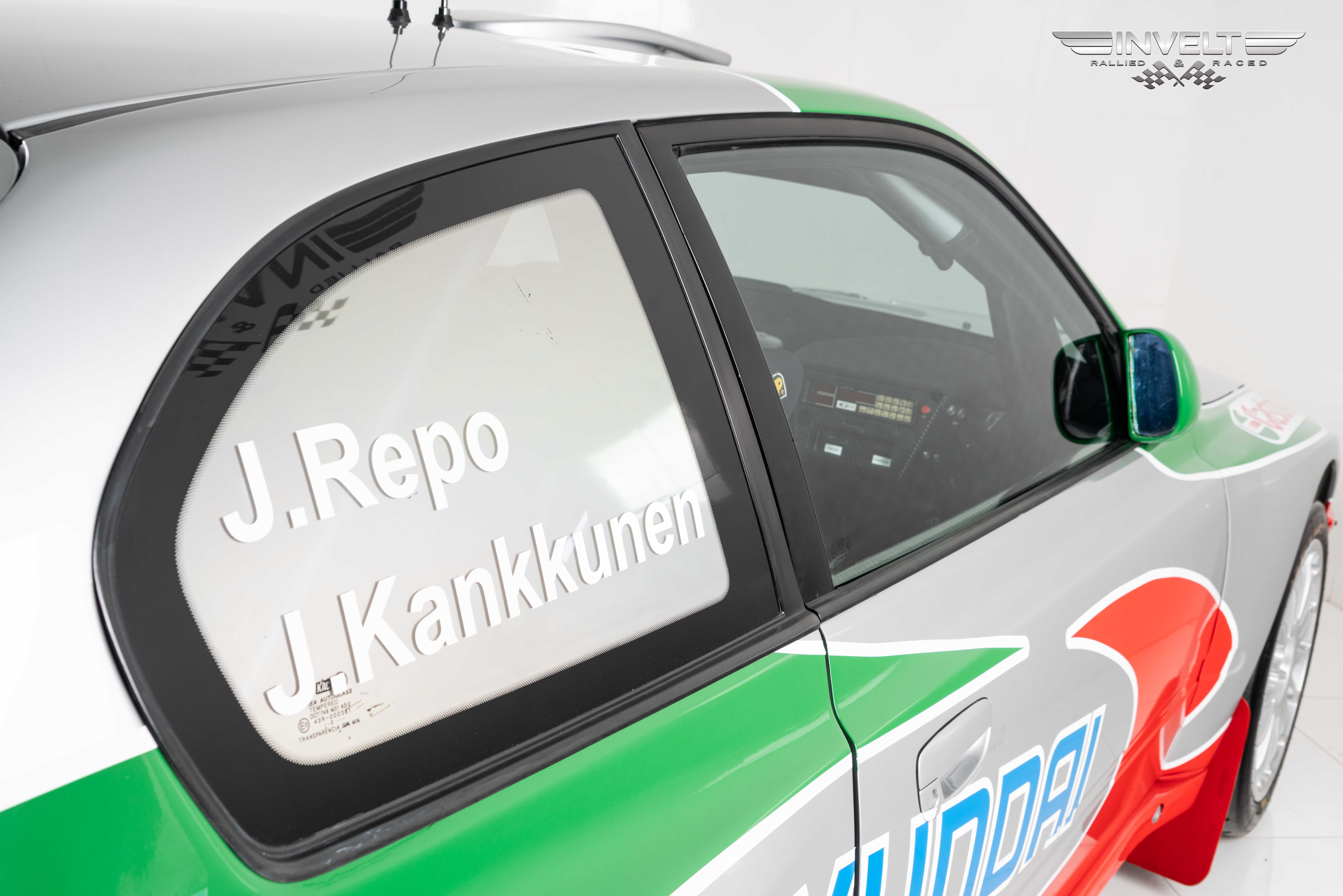
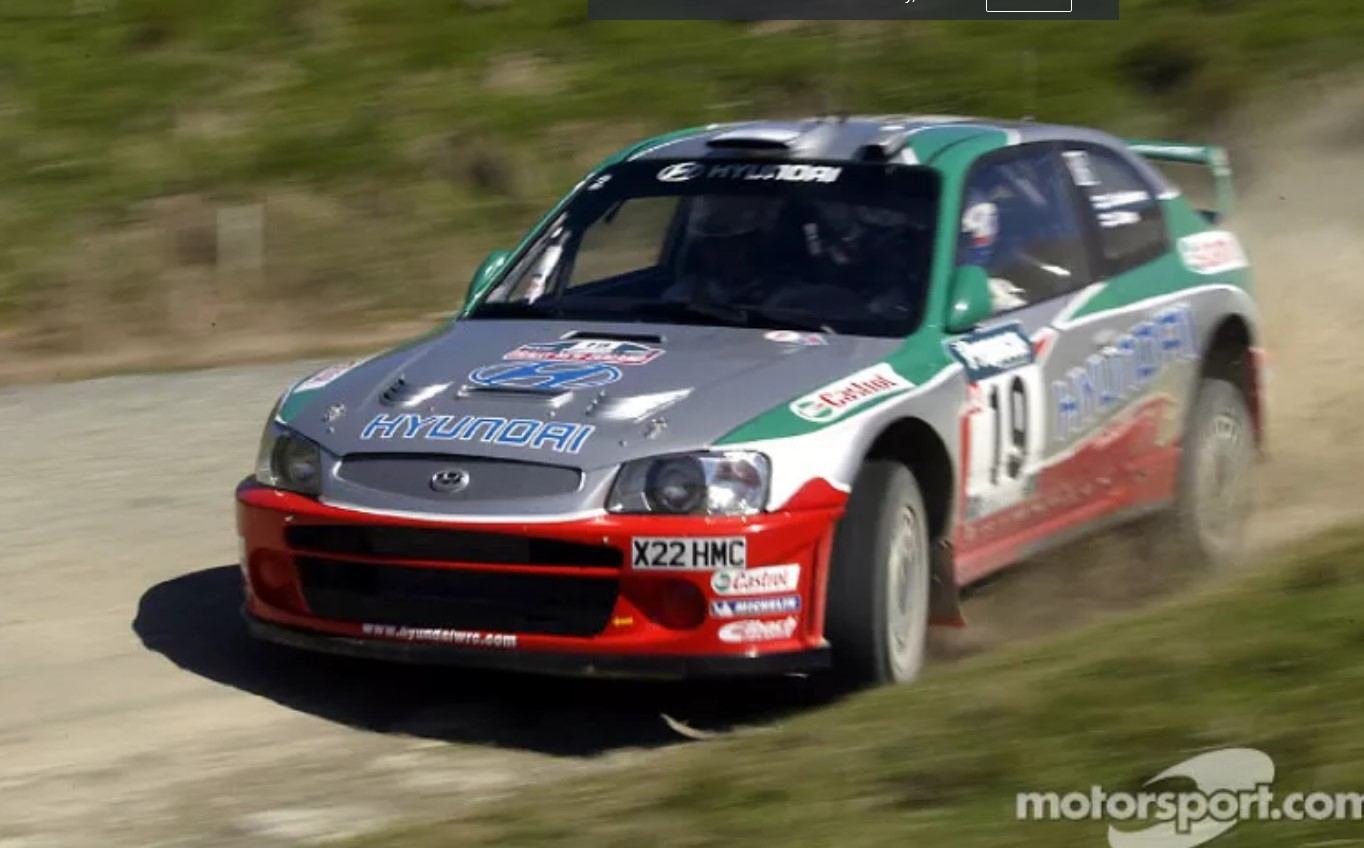
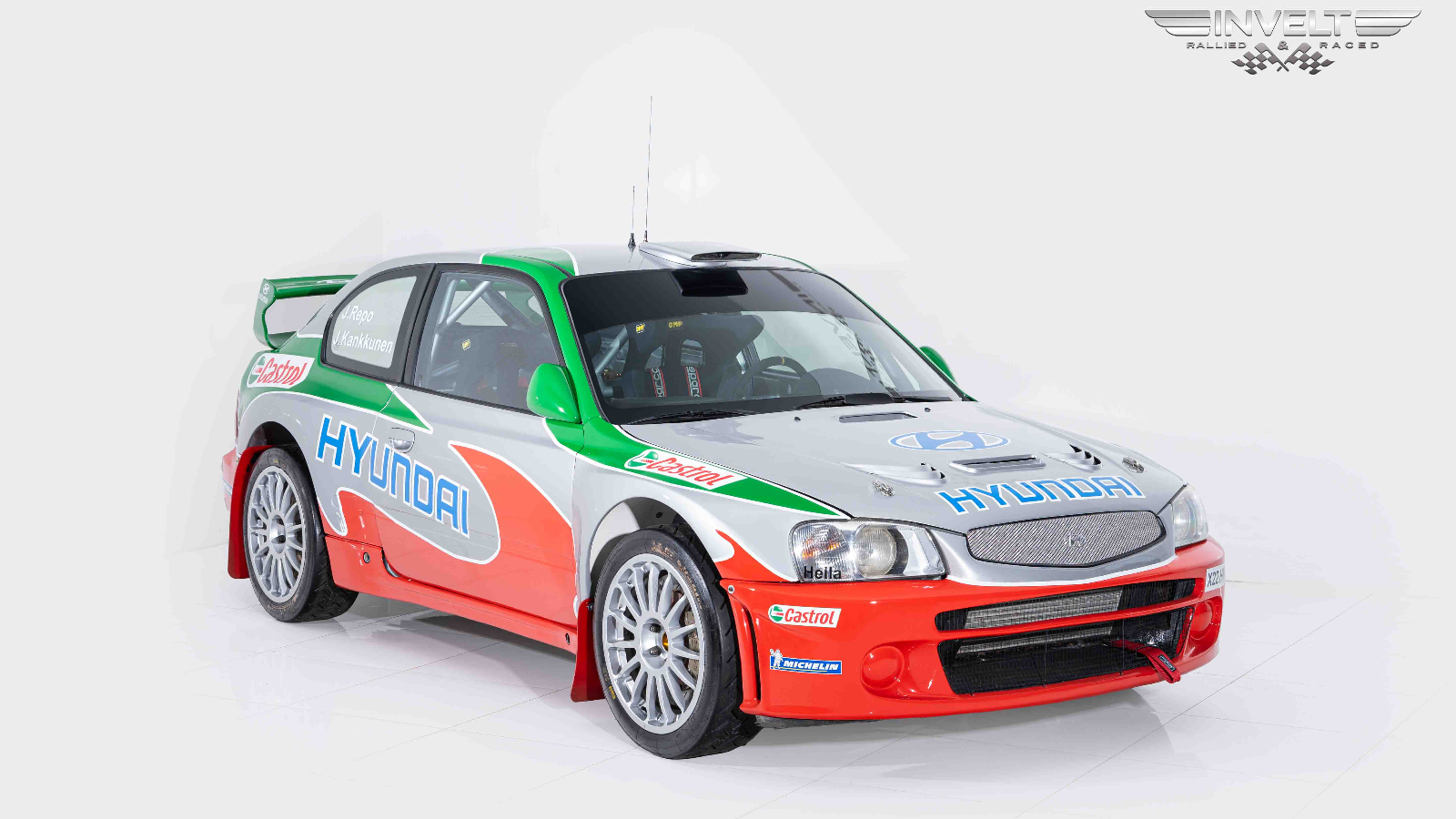
Our car is the Accent WRC EVO3 with chassis number 22. This specific car was driven by Juha Kankkunen during the 2002 season. Its first race was the Cyprus Rally, which it unfortunately failed to finish due to an oil leak. The car's best result came at the 2002 Rally New Zealand, where Kankkunen and his co-driver Repo finished in 5th place. In 2003, Armin Schwarz drove the car in three World Rally Championship rounds: Argentina, Cyprus, and Finland. By the end of 2003, the car was introduced by the Slovak team Styllex Tuning Motorsport, with Jozef Béreš behind the wheel at the Prague Rallysprint. However, the team's plans for a WRC program ended abruptly at the 2004 Rally Sweden due to a crash.Following the accident, the car was sold to England, where it was campaigned by Daniel Cole until 2018, when it moved to Norway. In 2022, it relocated back to the British Isles, and since 2024, it has been a proud part of the Invelt collection.