MODEL HISTORY
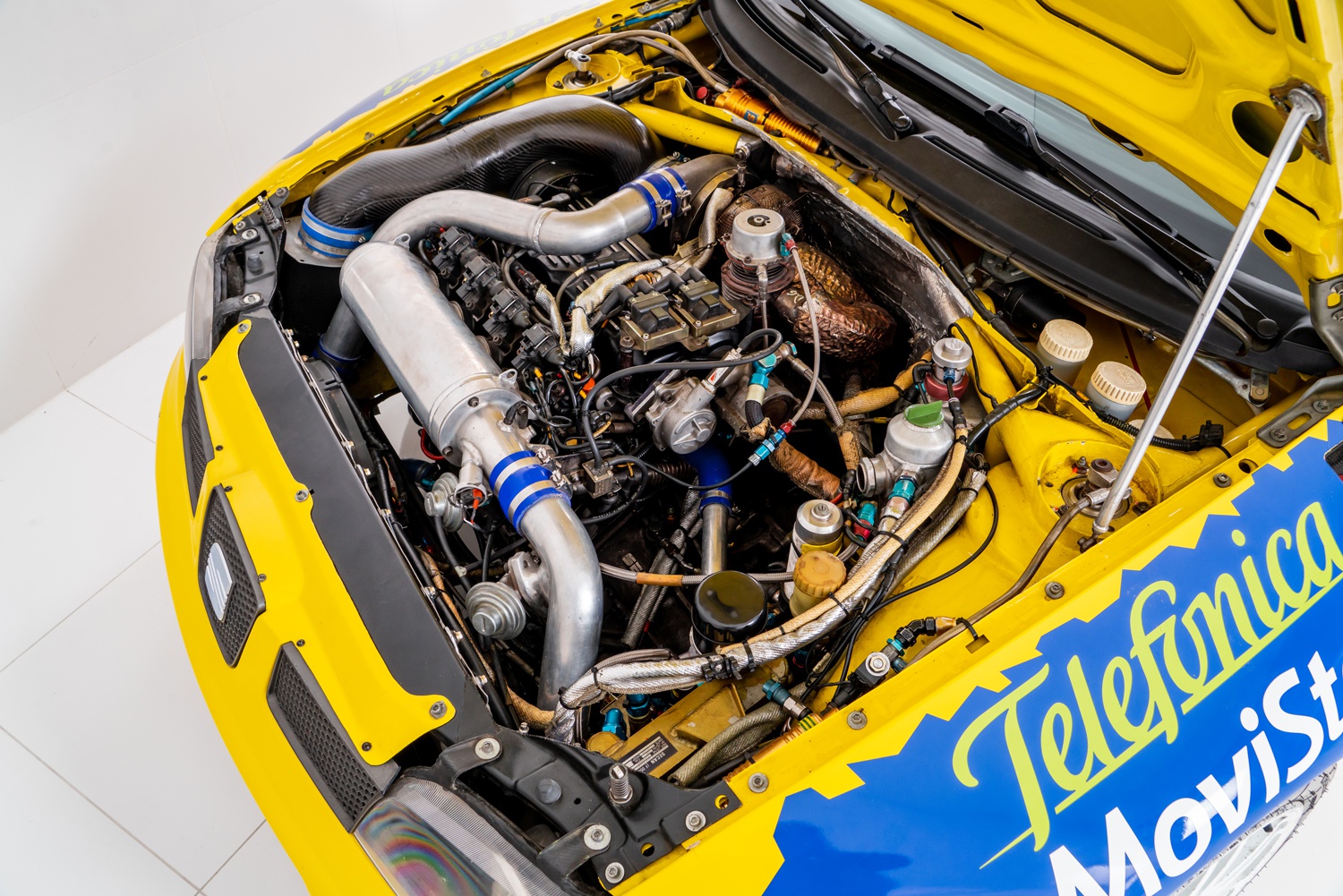
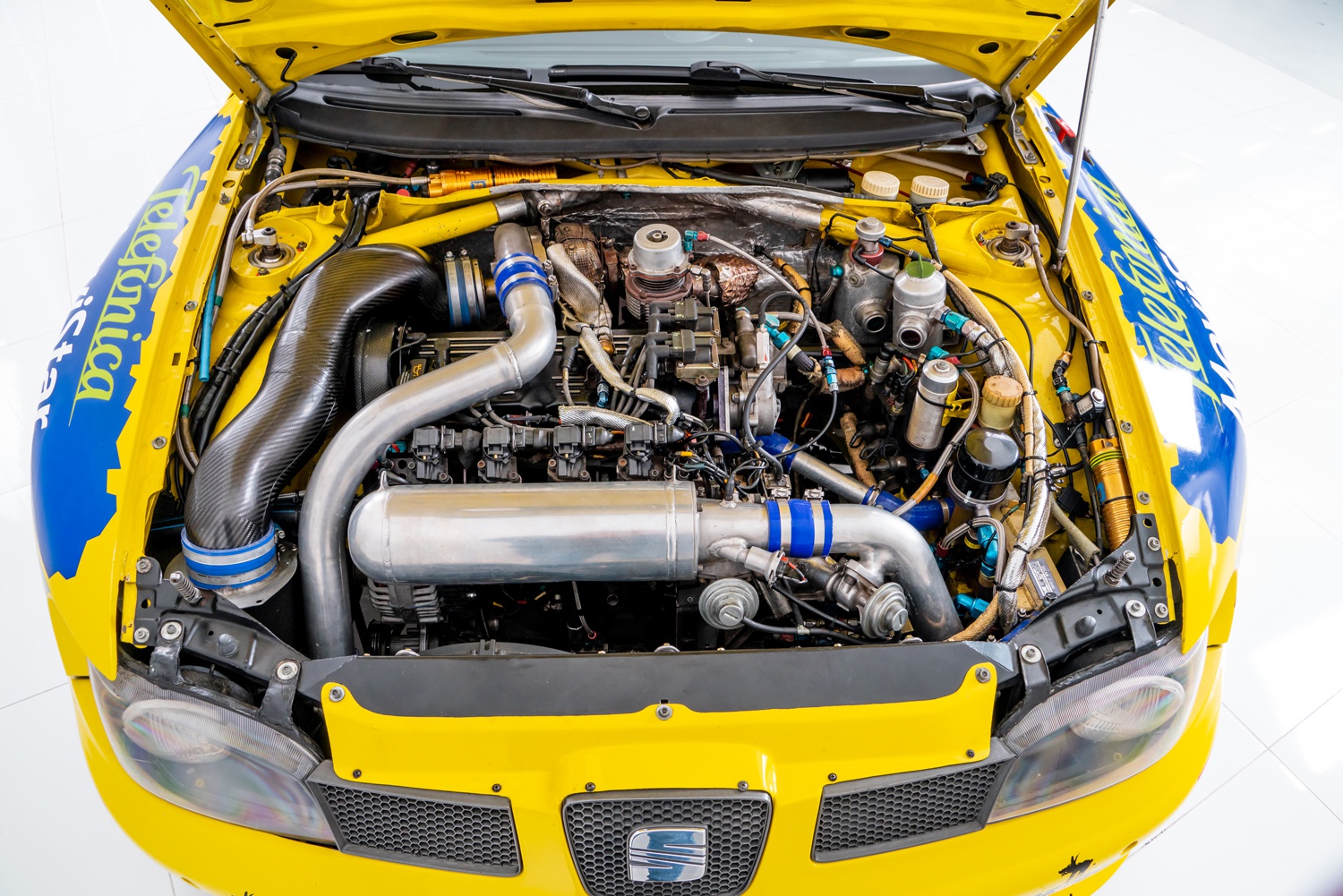
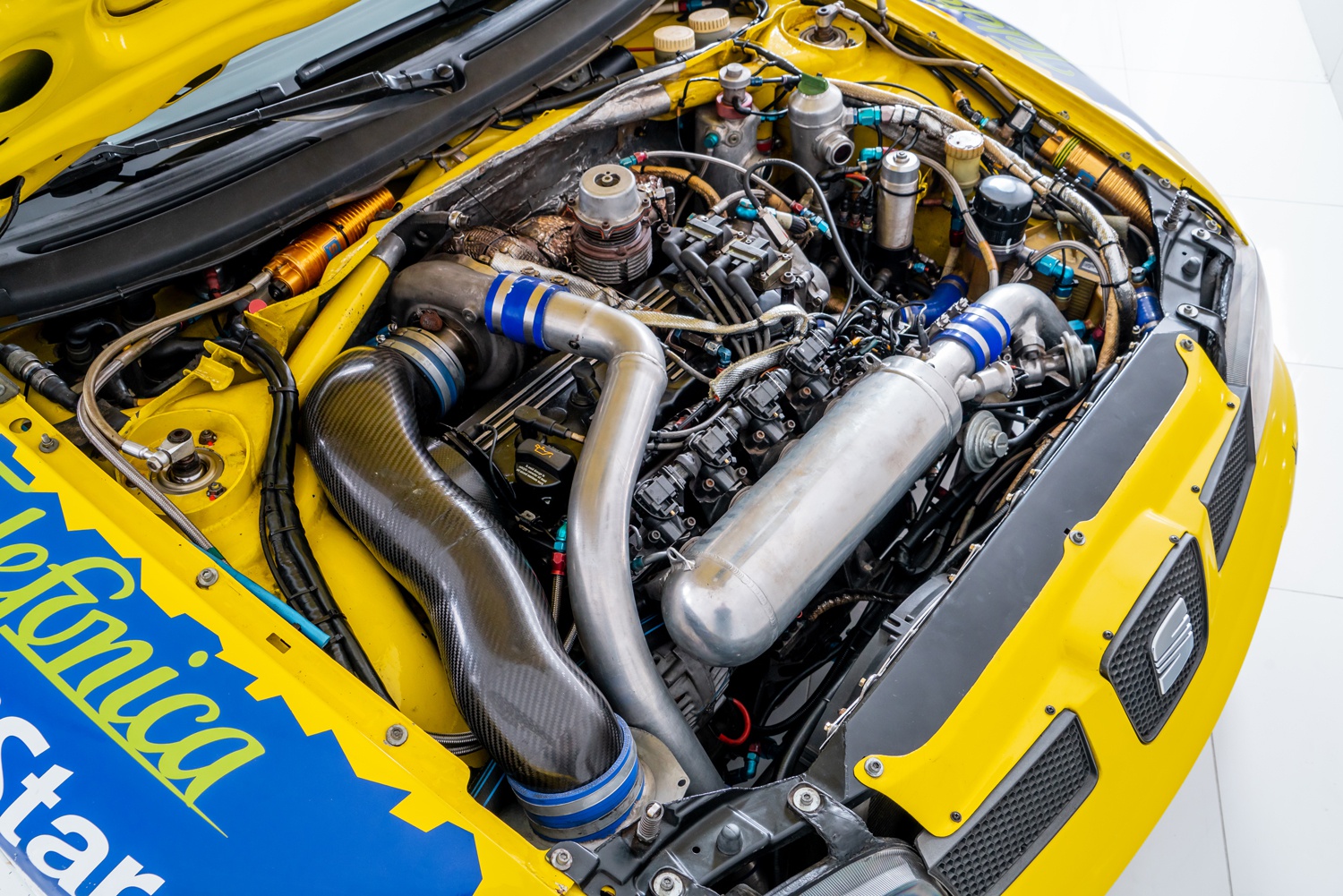
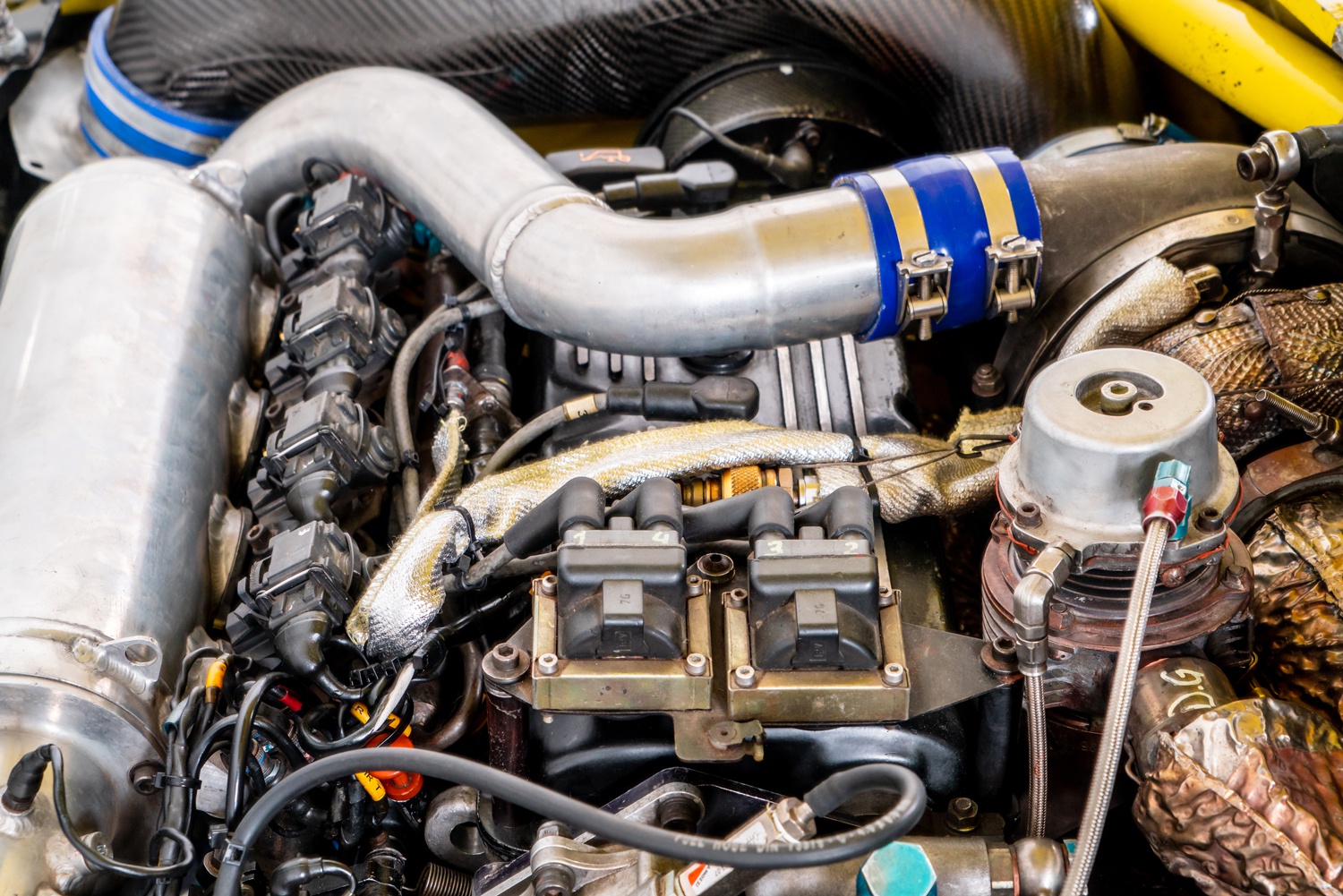
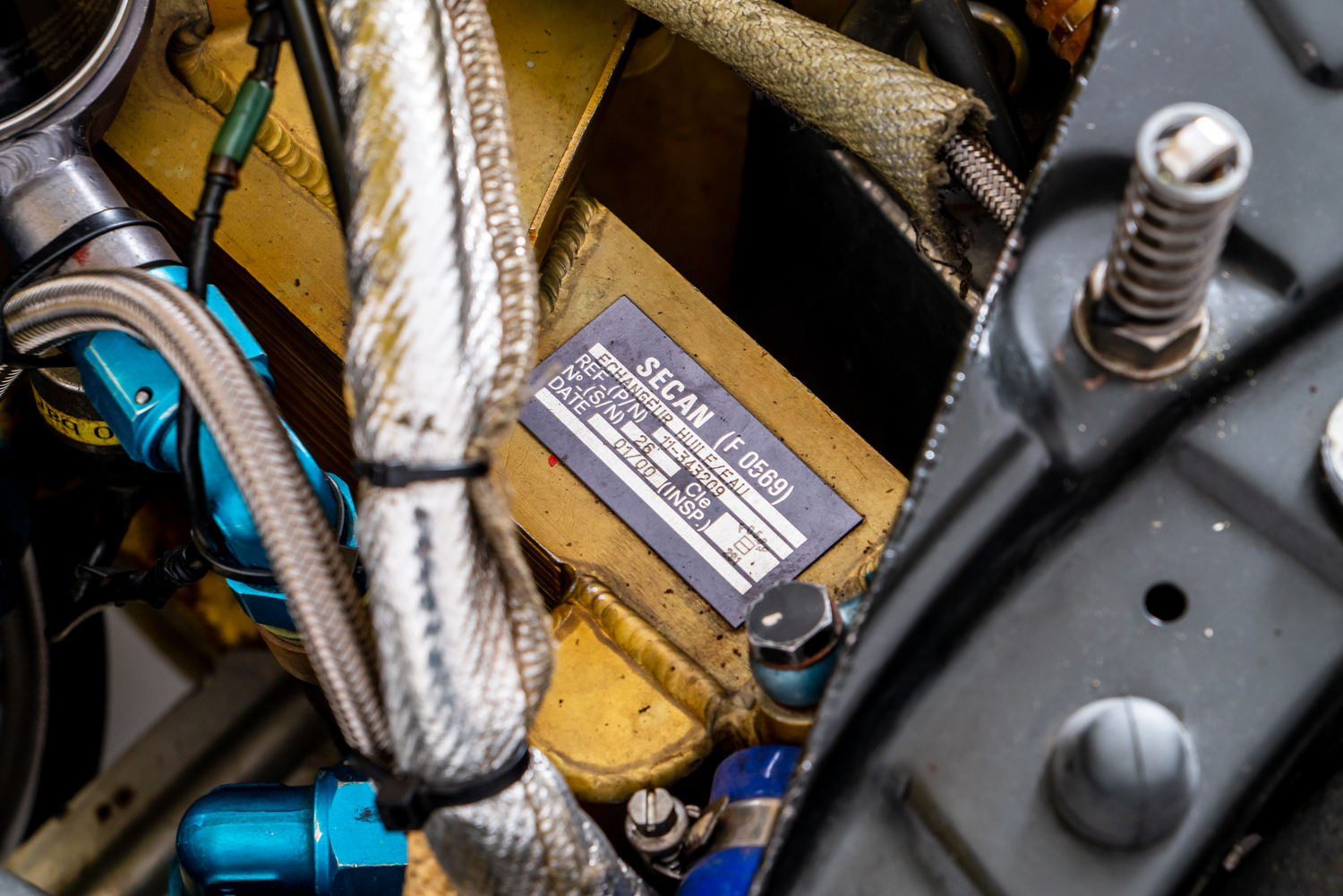
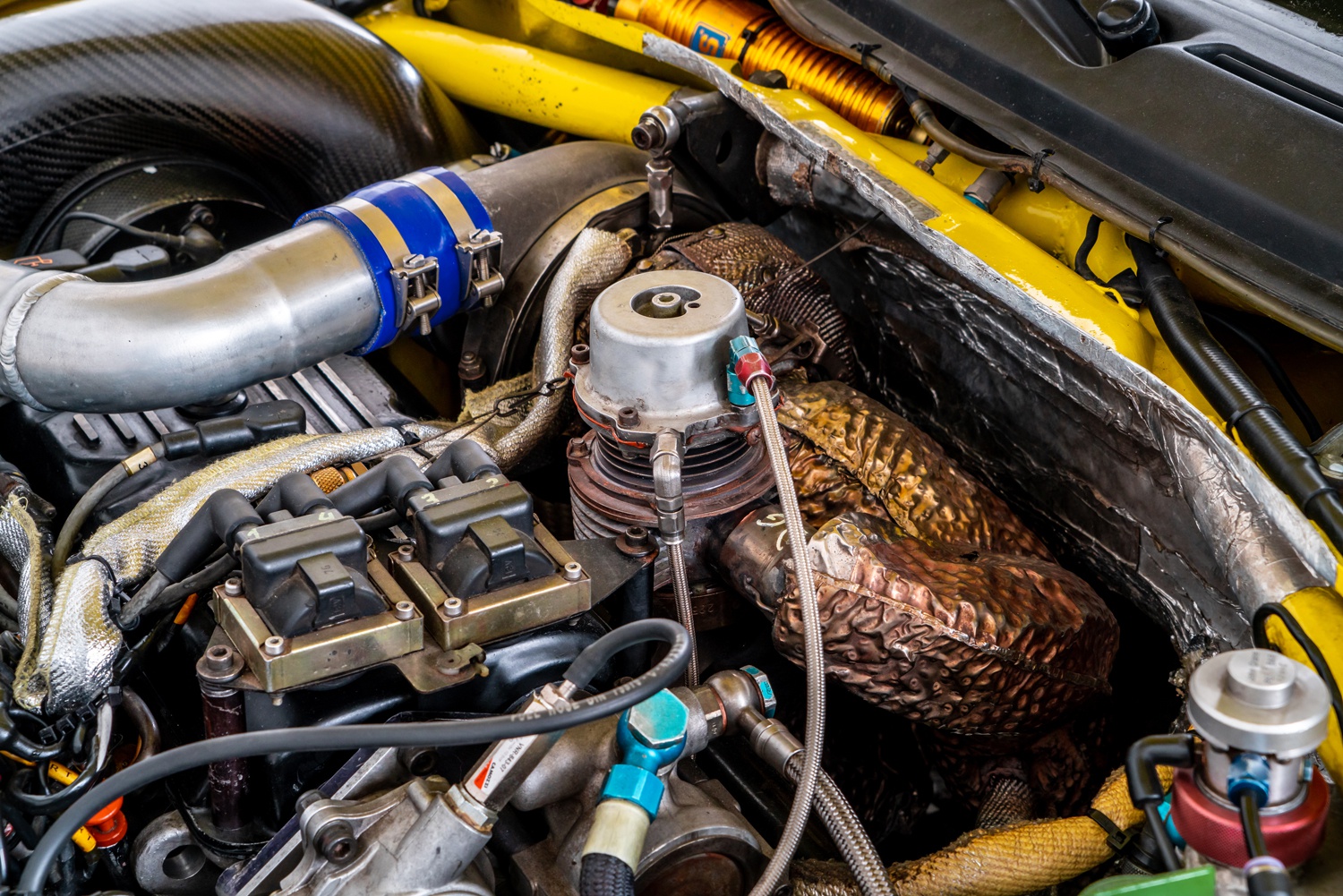
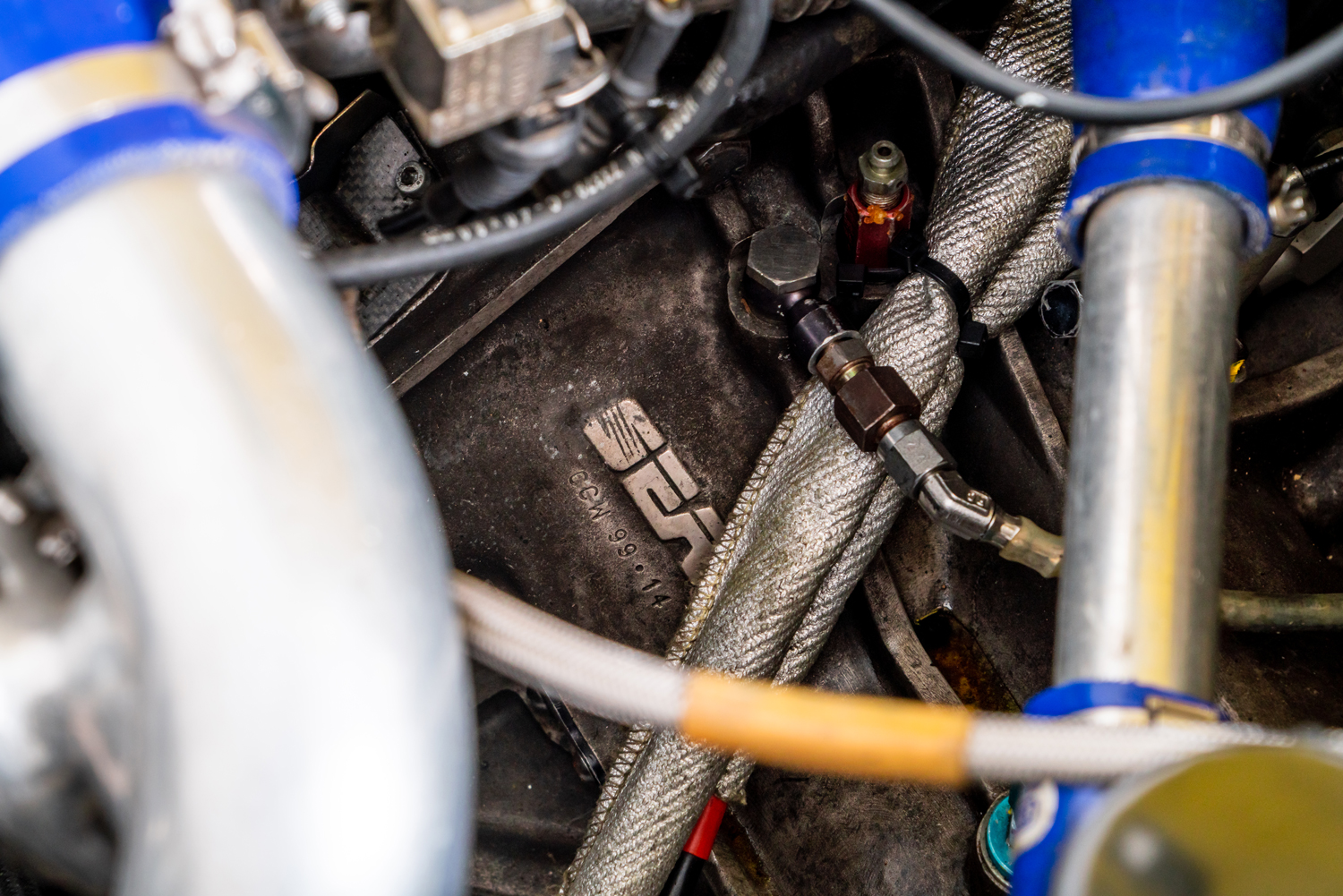
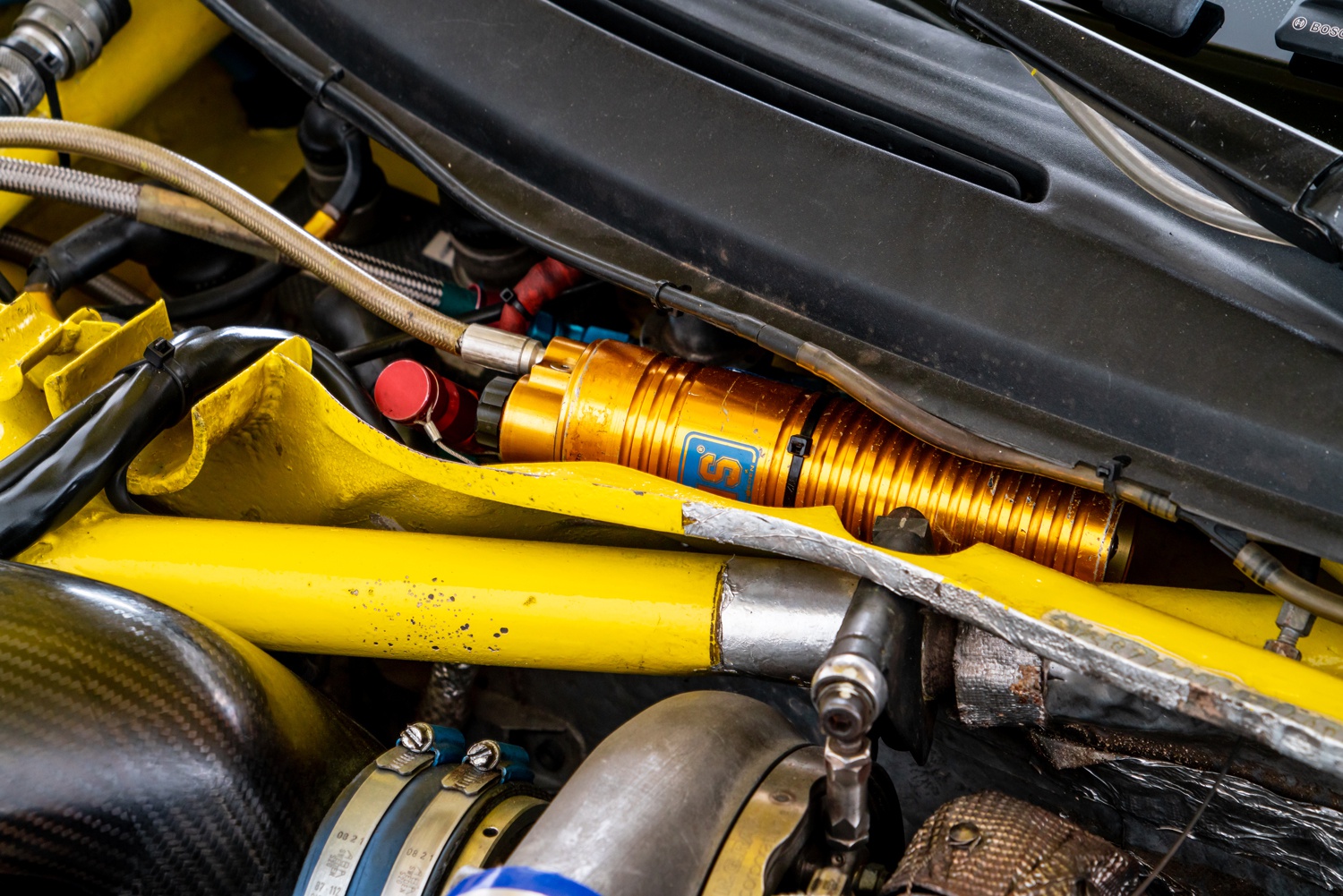
SEAT enjoyed success in the F2 category with its SEAT Ibiza Kit Car, which prompted the decision to enter the premier WRC class. The original plan to build a 4x4 drivetrain into the Ibiza body shell failed to meet FIA regulations, which required cars to be longer than 4 meters. As a result, SEAT decided to use the Córdoba body instead. However, the Córdoba was not an ideal platform for a WRC build; the engine was positioned ahead of the front axle, and the chassis, built on the foundations of the VW Polo, lacked the necessary rigidity. To overcome this, SEAT brought in Prodrive for assistance, adopting and modifying the 4x4 drivetrain system used by Subaru. The engine was based on the 16-valve VW Golf unit, which SEAT developed in cooperation with the French specialist Dany Snobeck. The dampers were supplied by Öhlins, and the brakes were provided by AP Racing. SEAT struggled to fine-tune the handling, making the car quite unstable, unpredictably snapping from understeer to oversteer, while also suffering from excessive front tire wear.SEAT debuted the Córdoba WRC at the 1998 Rally Finland. Although SEAT subsequently developed two more evolutions, the car never achieved major success in the WRC. Despite this, it did manage a few podium finishes. Its best results were 3rd place finishes at the 1999 Rally of New Zealand with the Gardemeister/Lukander crew, the 1999 Rally of Great Britain with Rovanperä/Pietiläinen, and the 2000 Safari Rally with Auriol and Giraudet. After the year 2000, SEAT ended its WRC program, and the cars moved to privateer teams and national championships.
OUR CAR
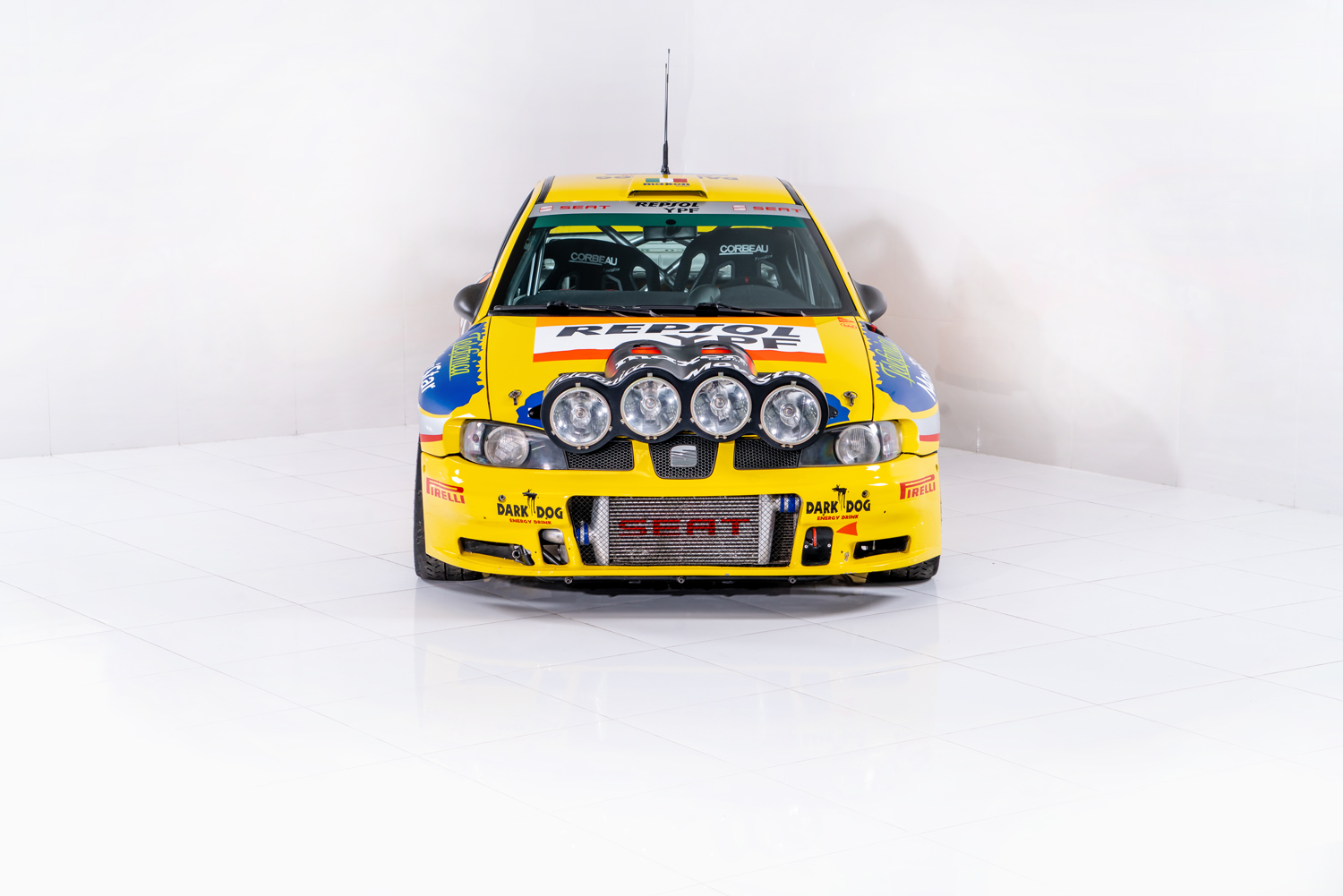
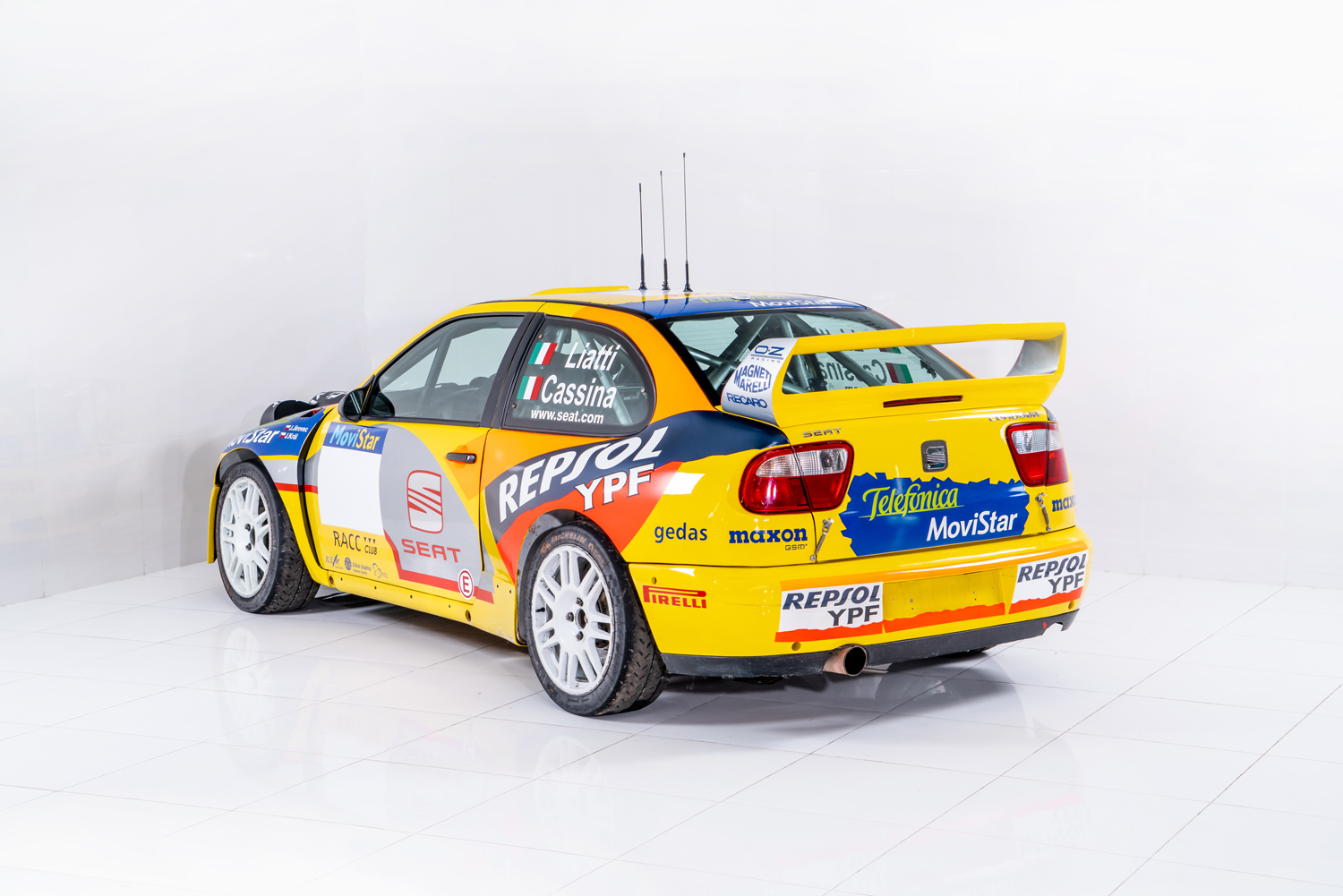
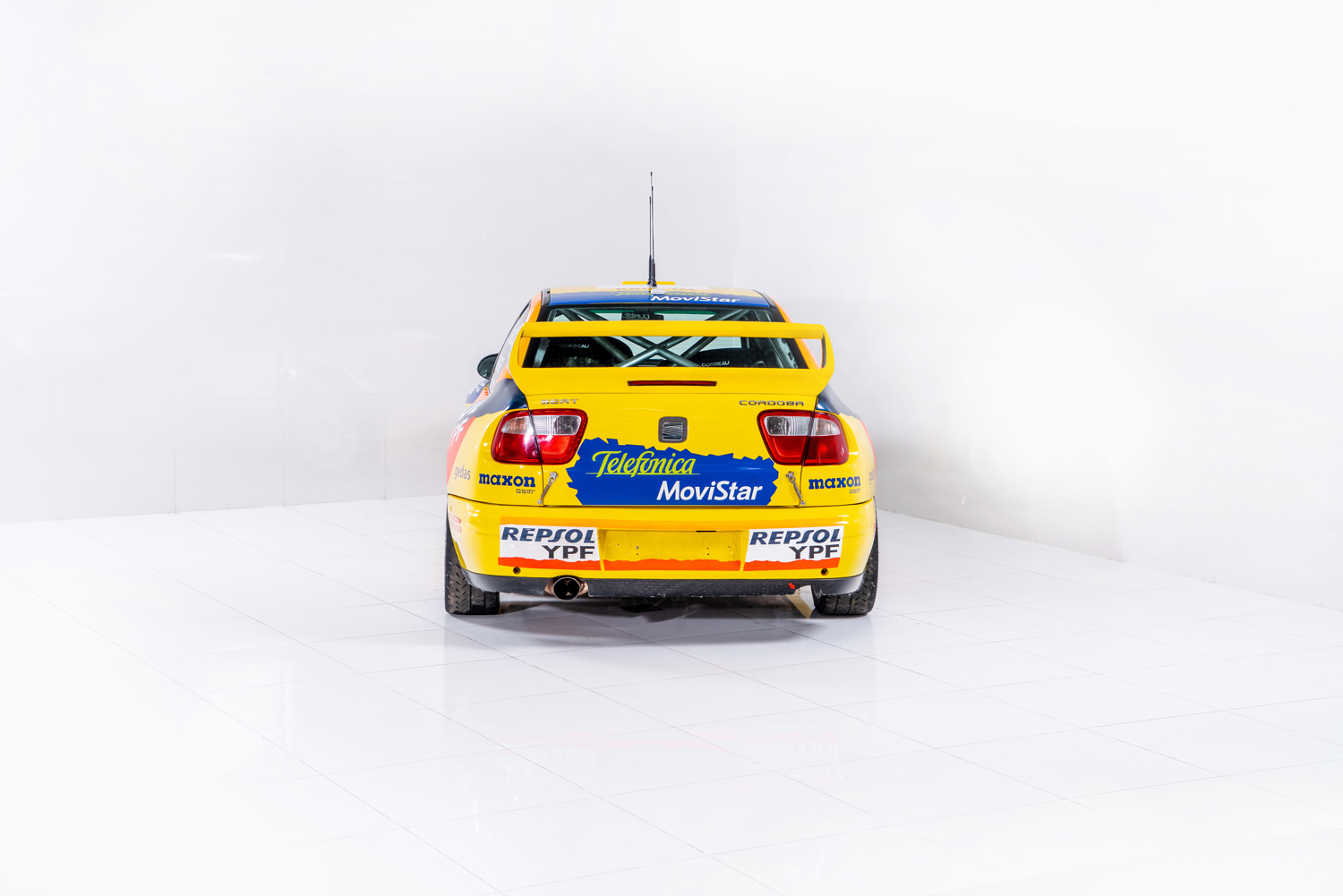
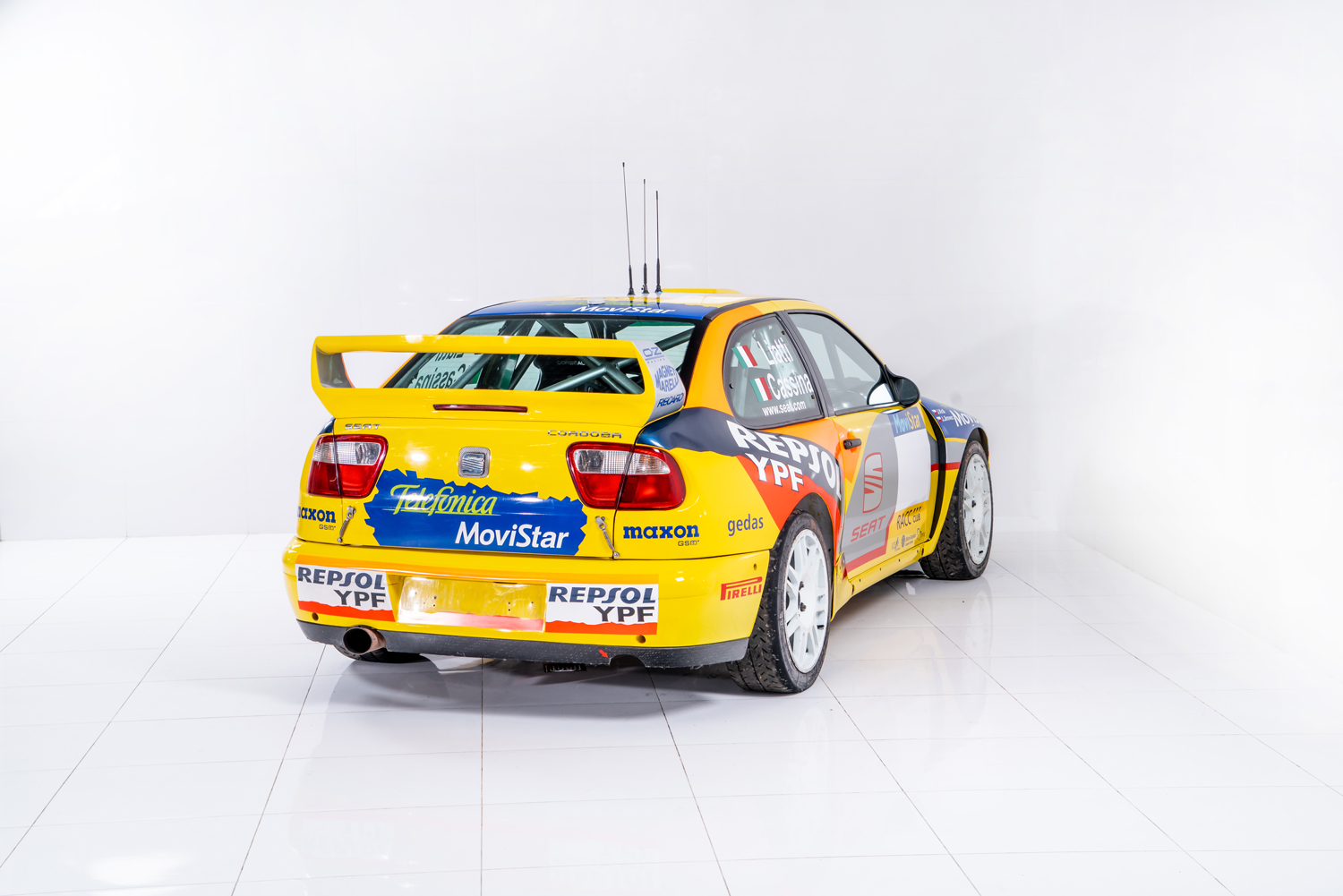
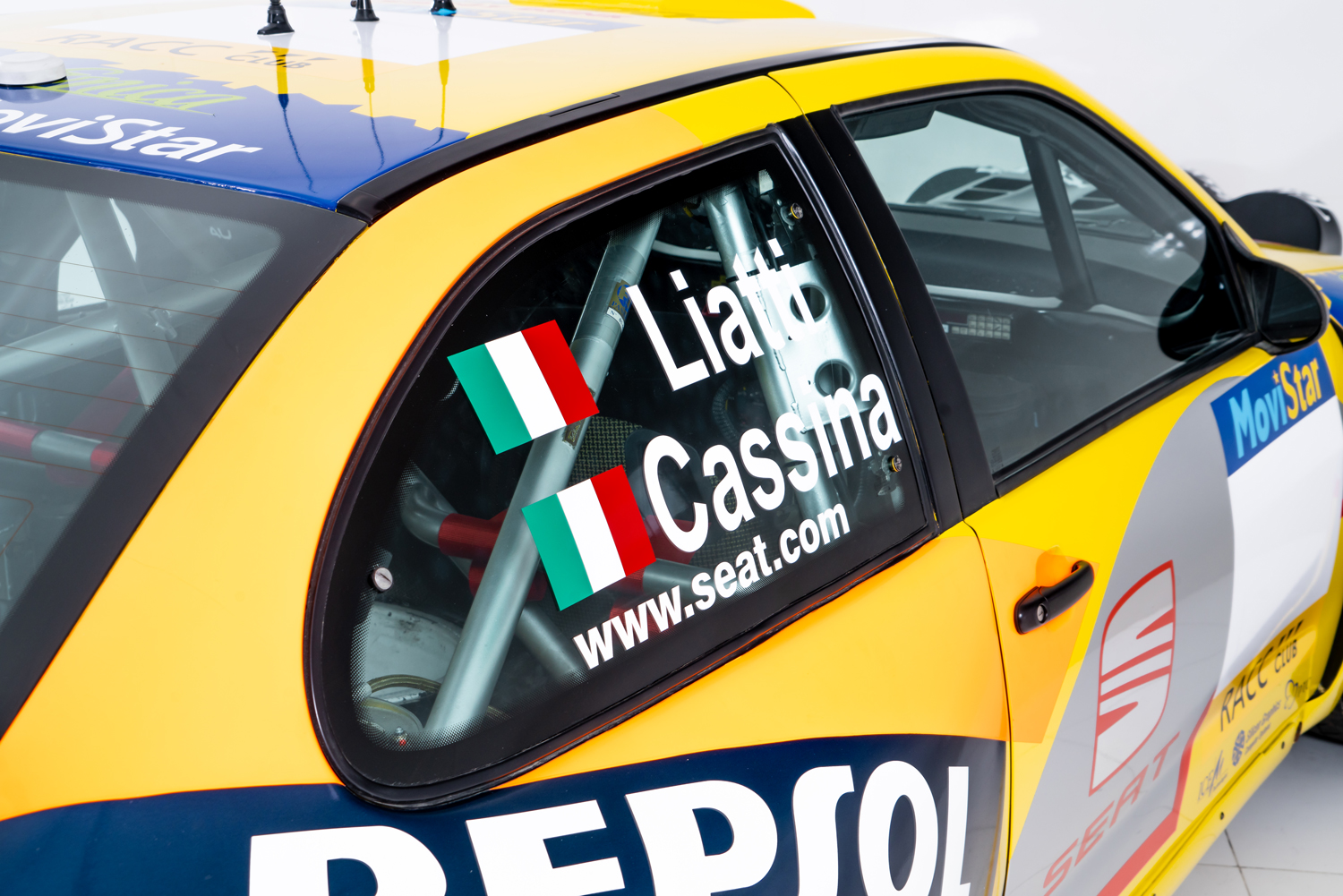
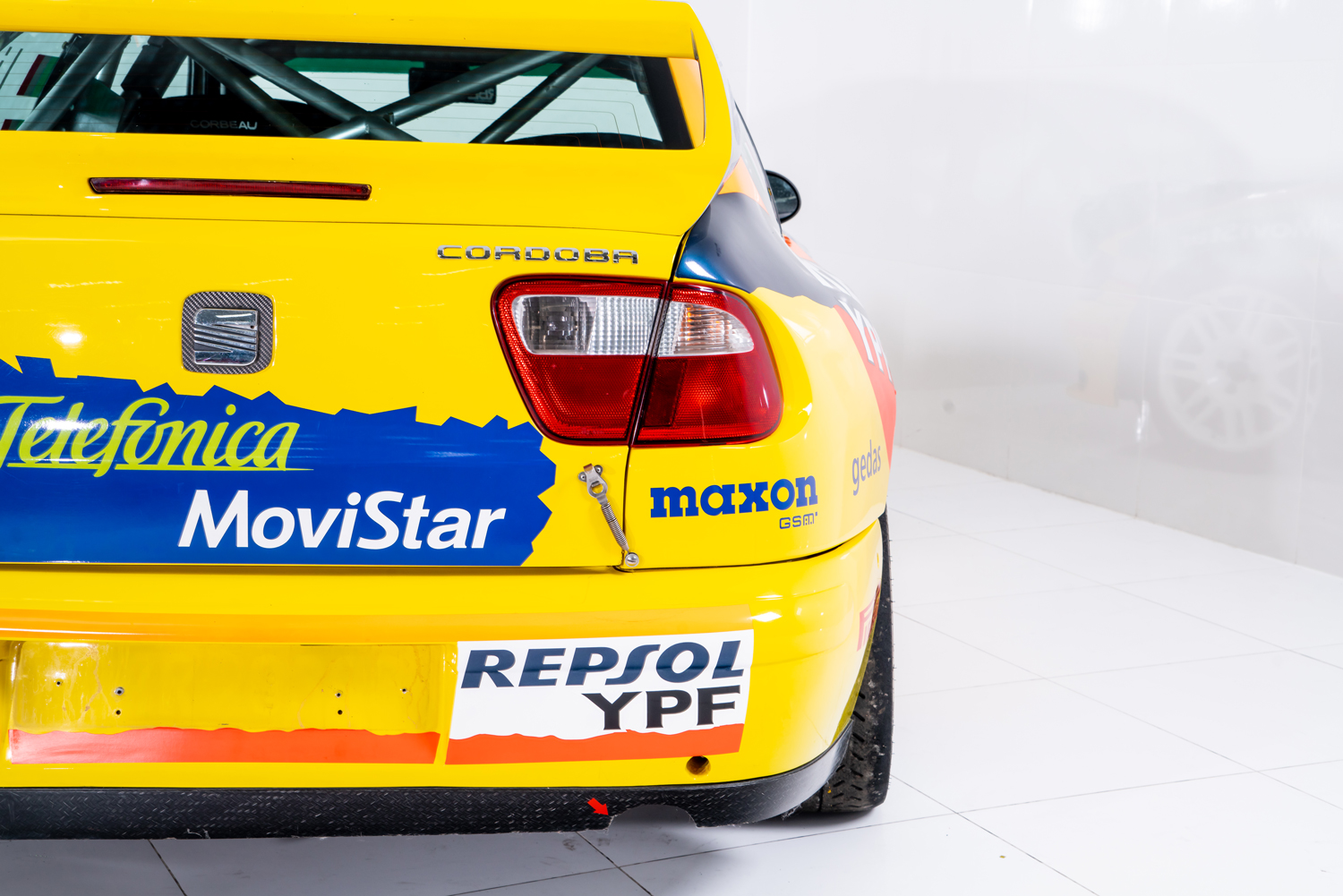
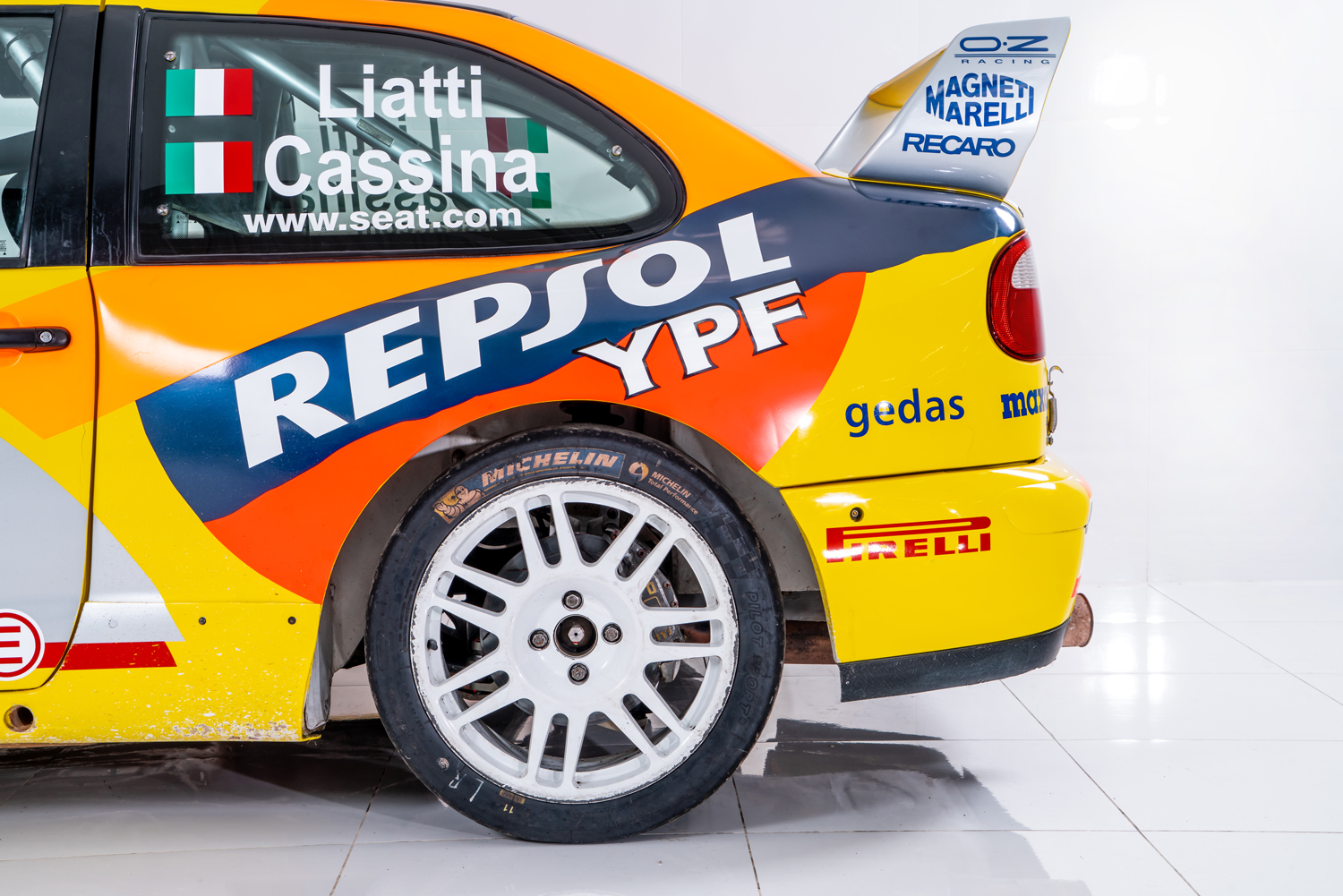
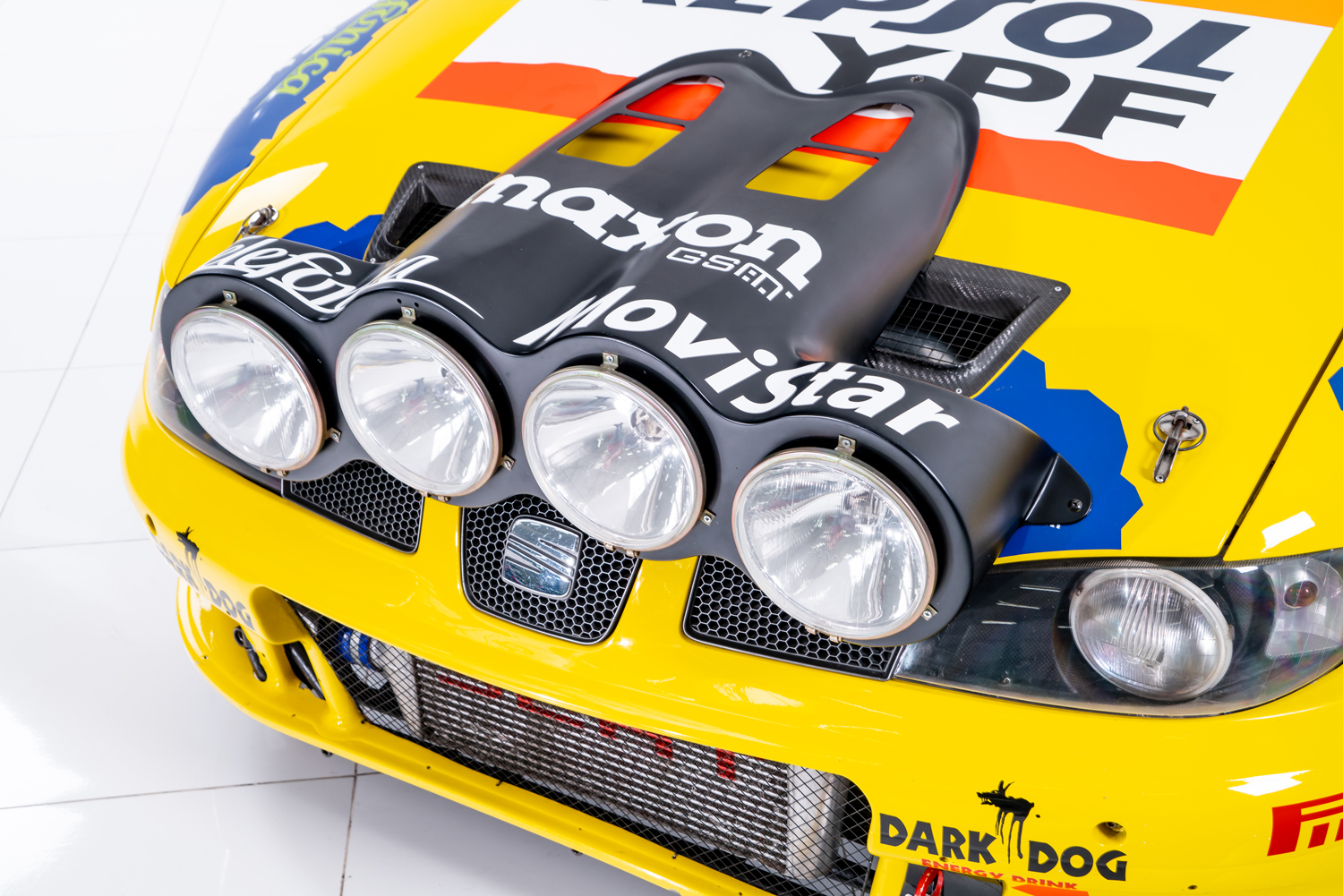
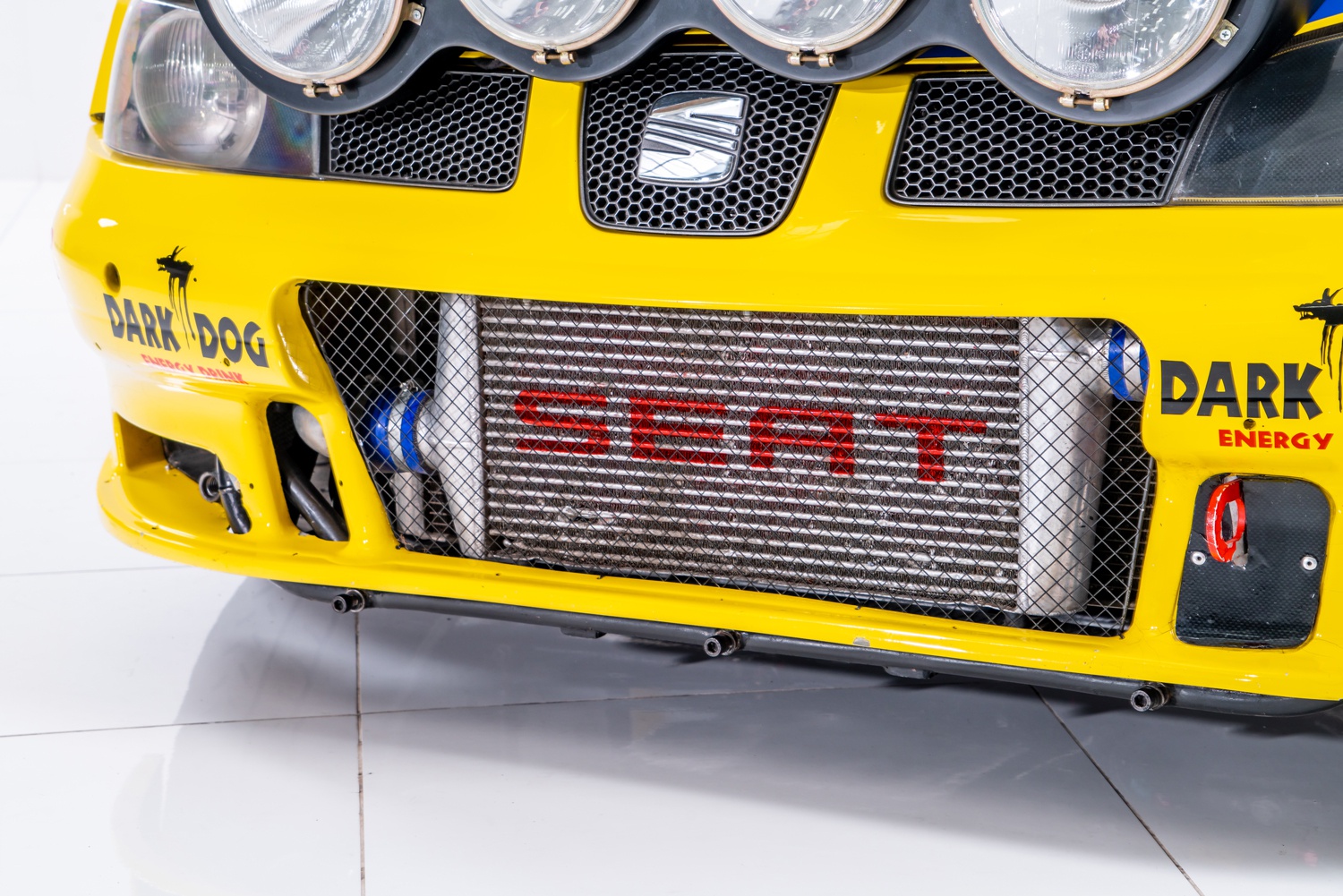
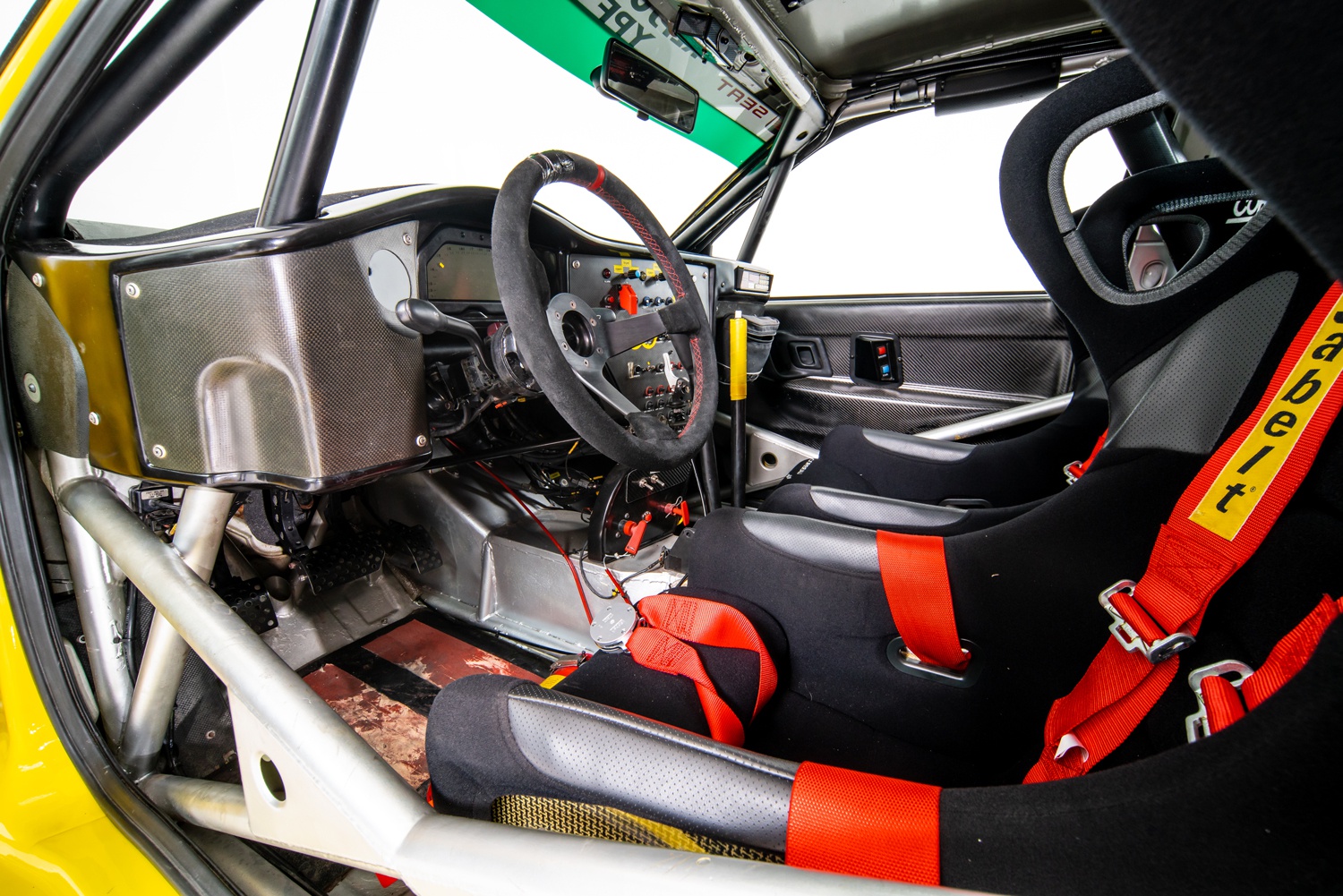
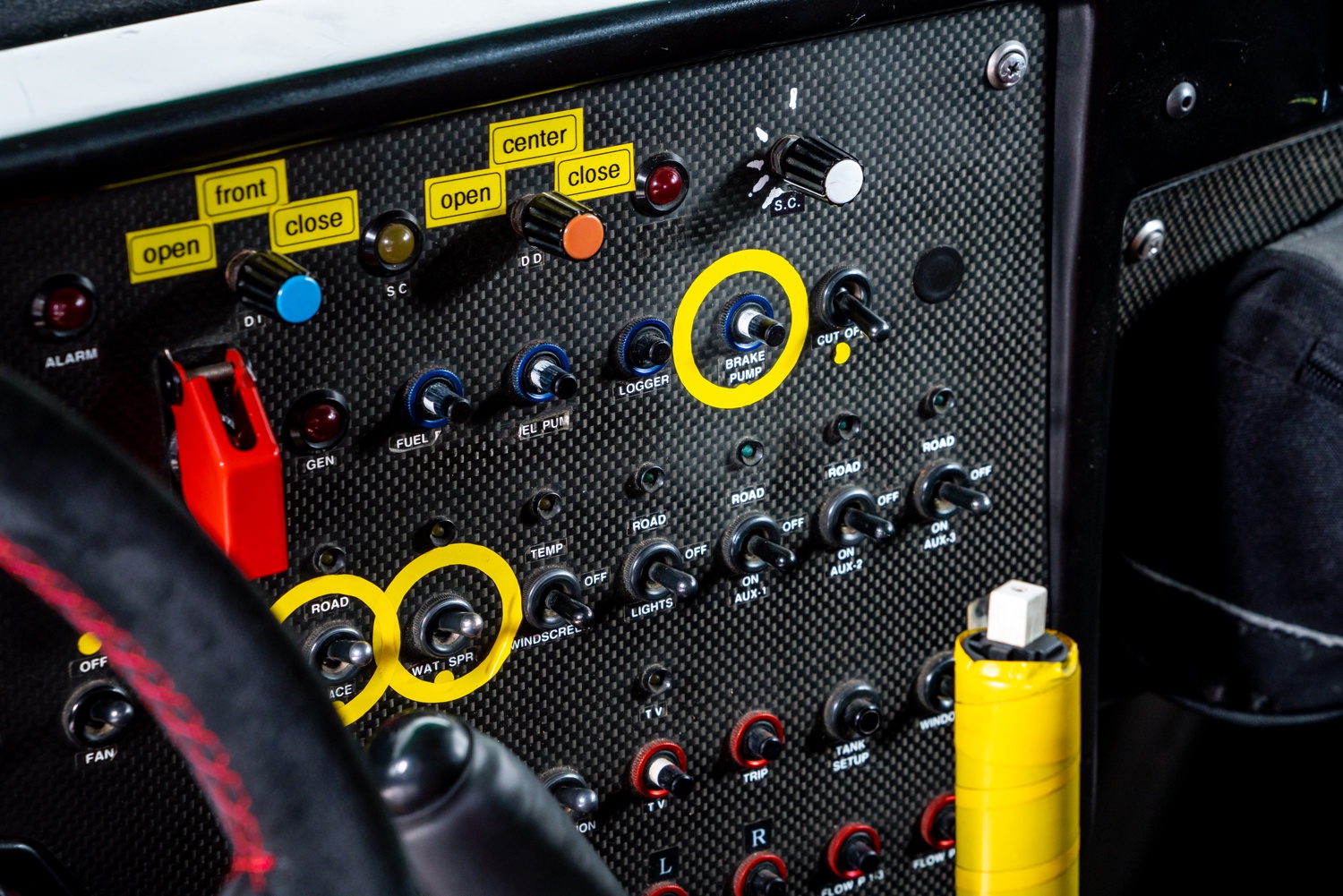
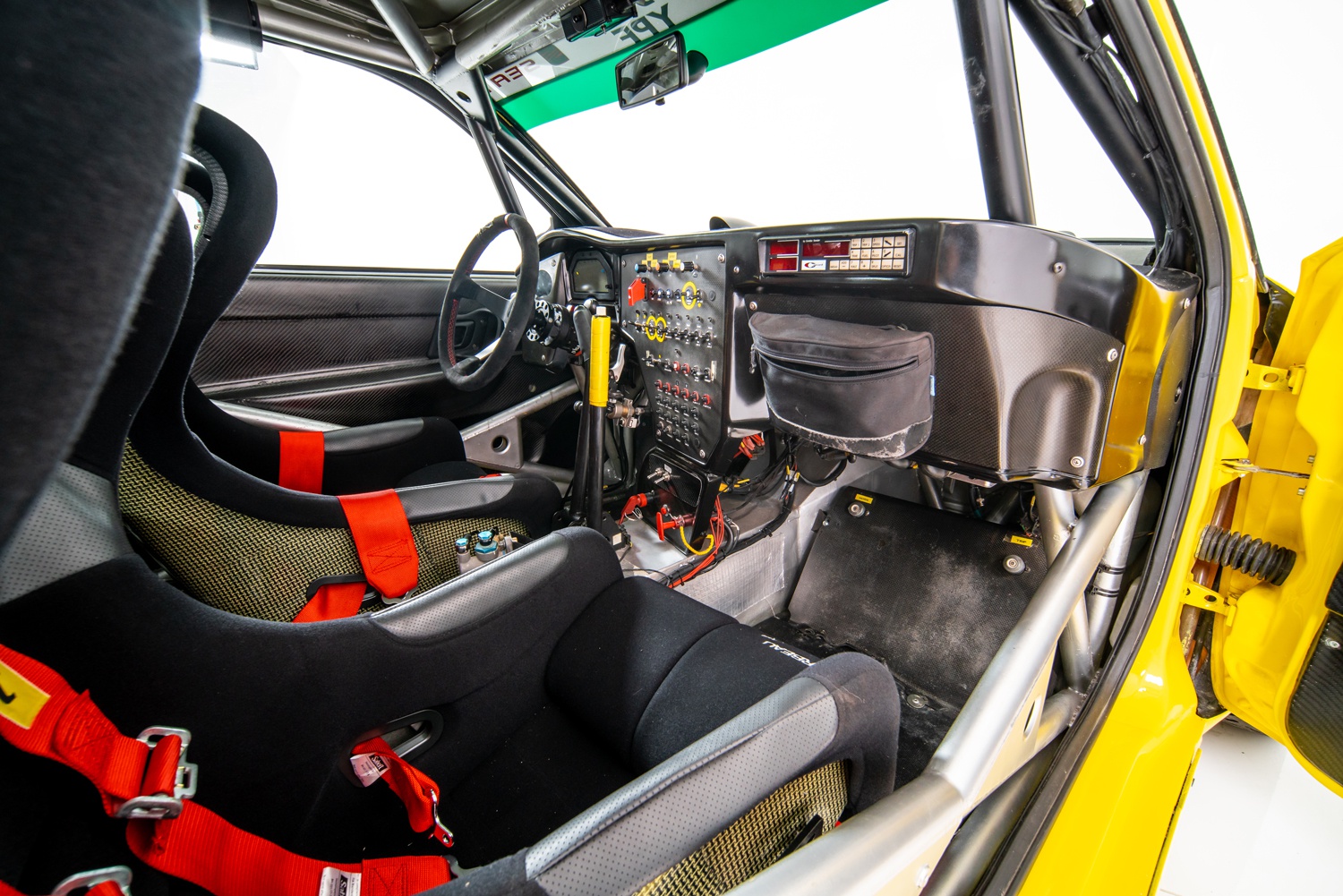
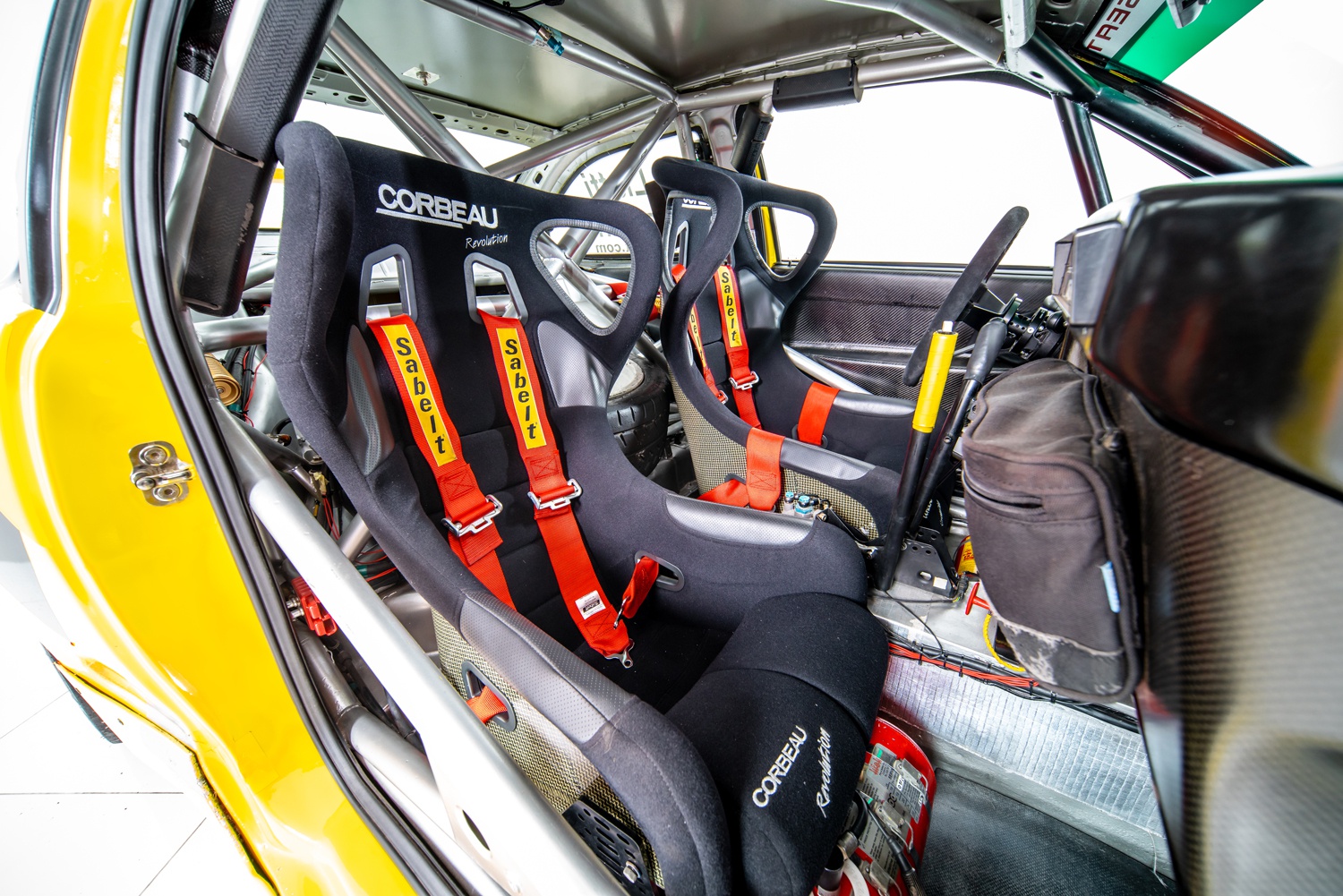
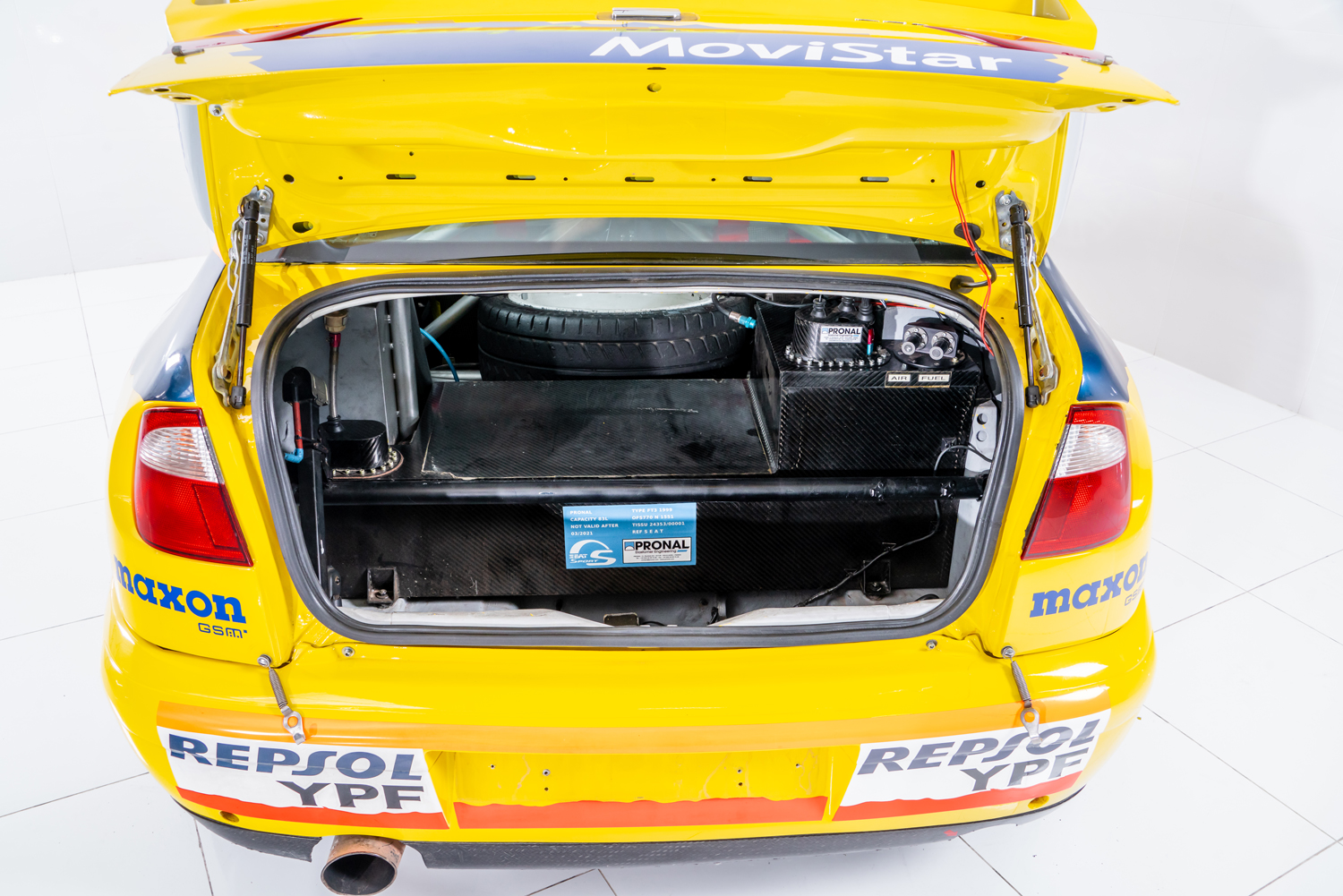
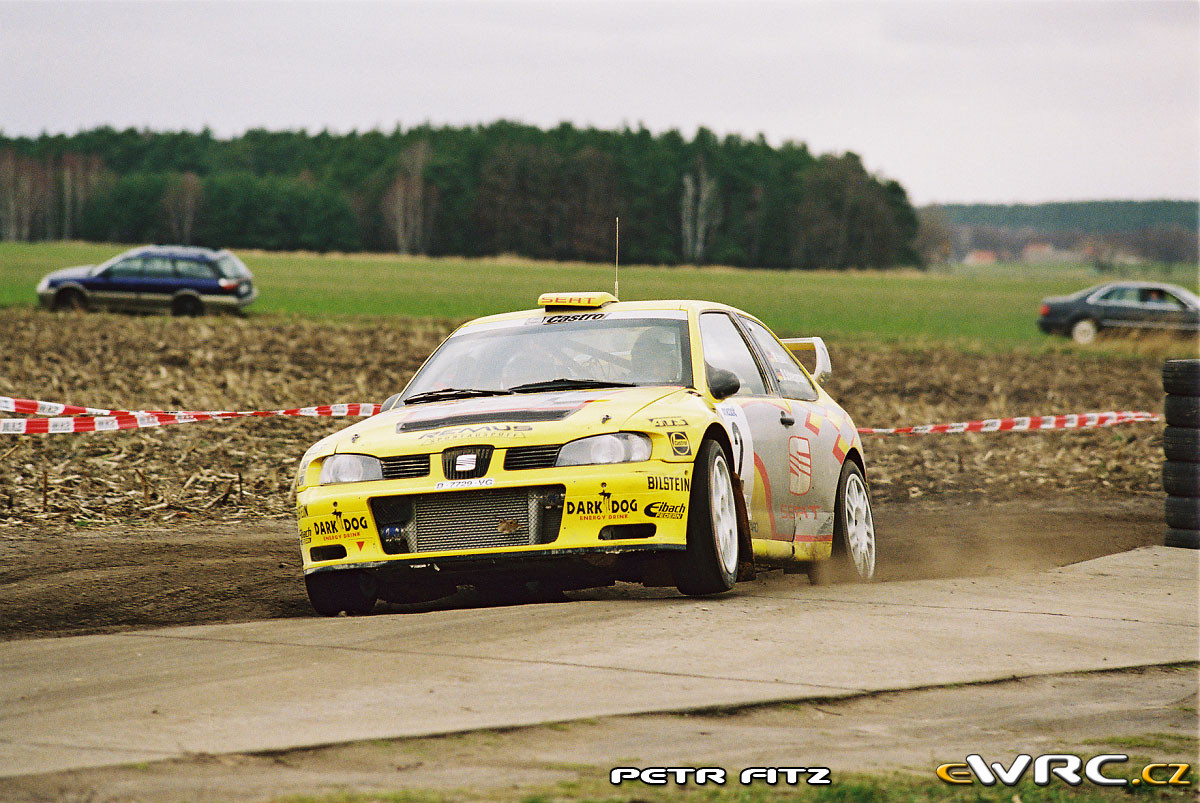
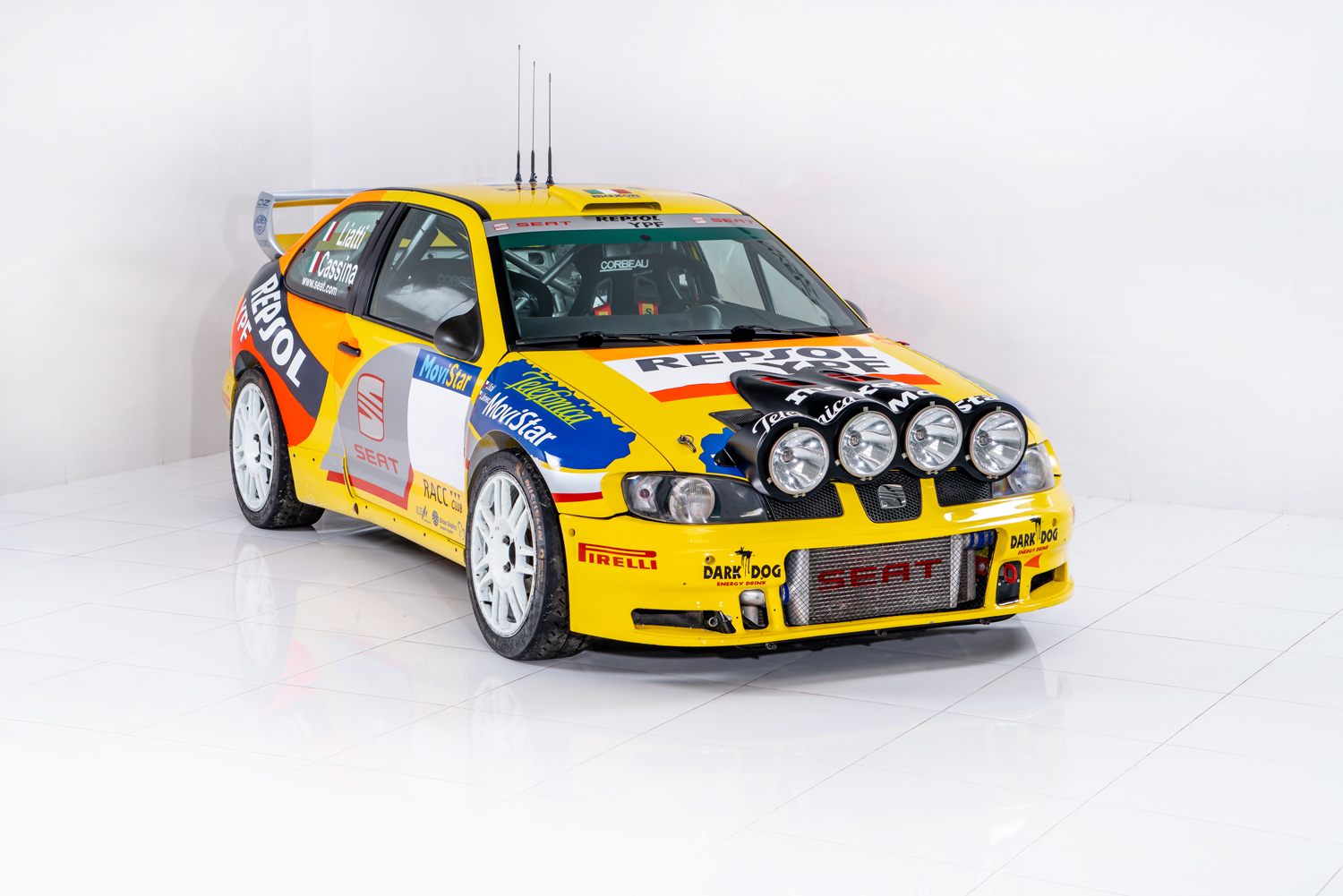
This car has the chassis number 9 out of a total of 22 cars produced. The first start was the 1999 Rally Catalunya, where the crew Liatti-Cassino reached the finish line in 10th place overall. The next start was the Rallye Tour de Corse, again with Liatti. After that, the car got a facelift and was redesigned into Evo II. The driver also changed, when Harri Rovanperä piloted the car at the 1999 Finnish Rally. He finished the Finnish rally in 5th place, which was the best result of the 009 Cordoba in the World Cup. The last race in the factory team was the 1999 Australian Rally.
The car then went to the private German team Weber, which rented the car in various ways and, thanks to that, it appeared in the European Championship in 2000, but also, mainly, in many national championships, where it helped drivers to great overall results - it helped Robert Herba to 3rd place overall in the Polish championship, it helped Raphael Sperrer to the title of Austrian champion and secured the same for Matthias Kahle in Germany. Sperrer also added another start to the World Rally Championship - the Finnish Rally.
In seasons 2001-2004, the car regularly appears in the Romanian Championship with driver Constantin Aur, who won two championships with him (2001 and 2002), and Dan Girtofan, who also won the Romanian title with it (2004). In the following years, the car was driven in UK or France, until, in 2009, it reached the Greek Seat dealer Antonis Chatzivasiliou, who gradually renovated the car and, from time to time, ran some local races with it. The car was bought from Greece by the aforementioned Raphael Sperrer, who rode with it in 2014 in the Austrian Rally Legends with Evo III facelift.
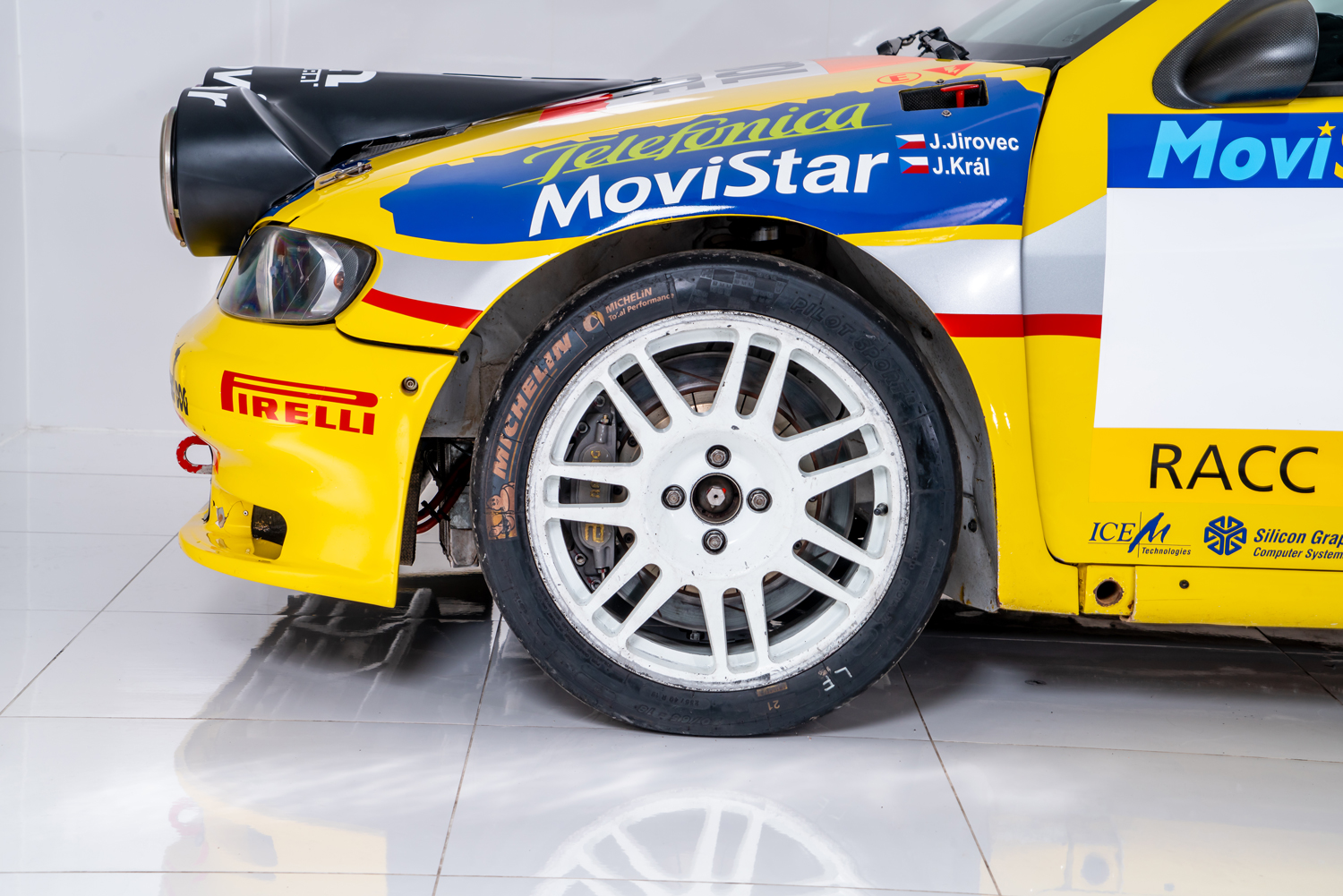
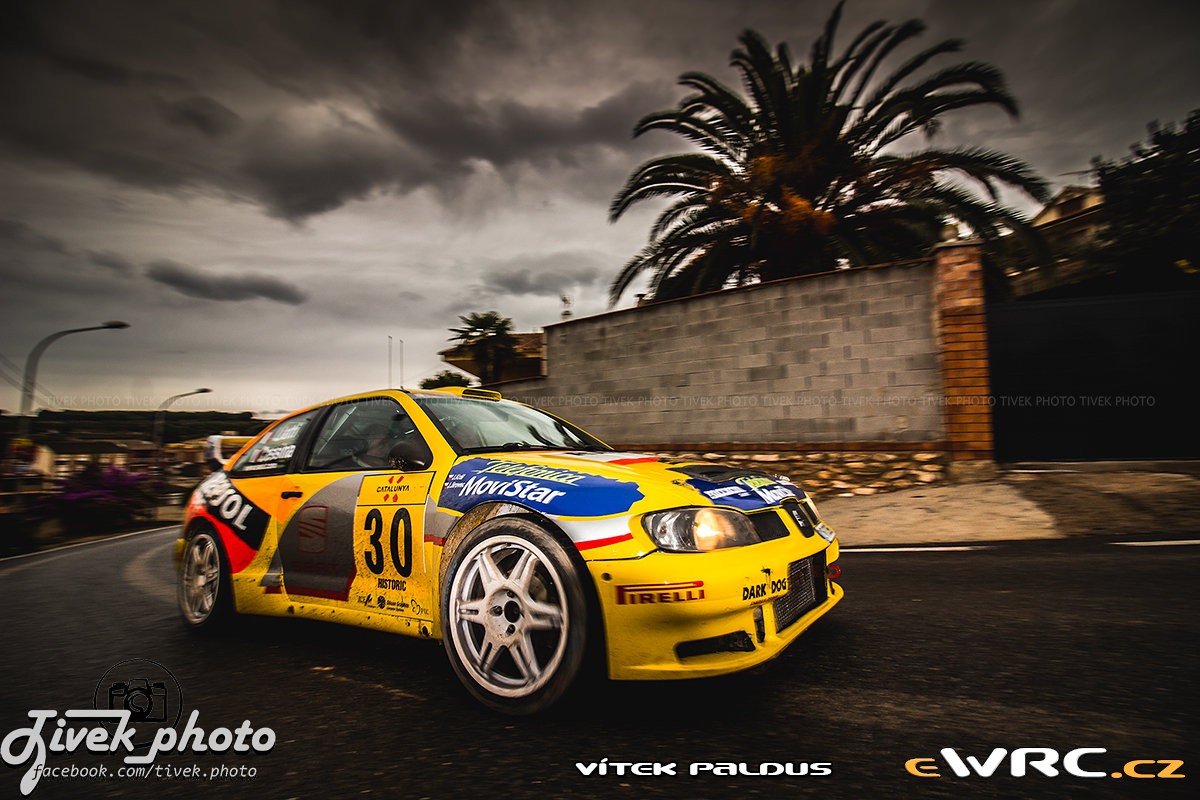
In March 2018, the car entered our collection and Jiří Jirovec took part in the Eifel Rallye Festival with it that year and, on the occasion of the 20th anniversary of the introduction of the Cordoba WRC, he also competed with it in Rally Catalunya 2018 in the additional race of historic cars.