MODEL HISTORY
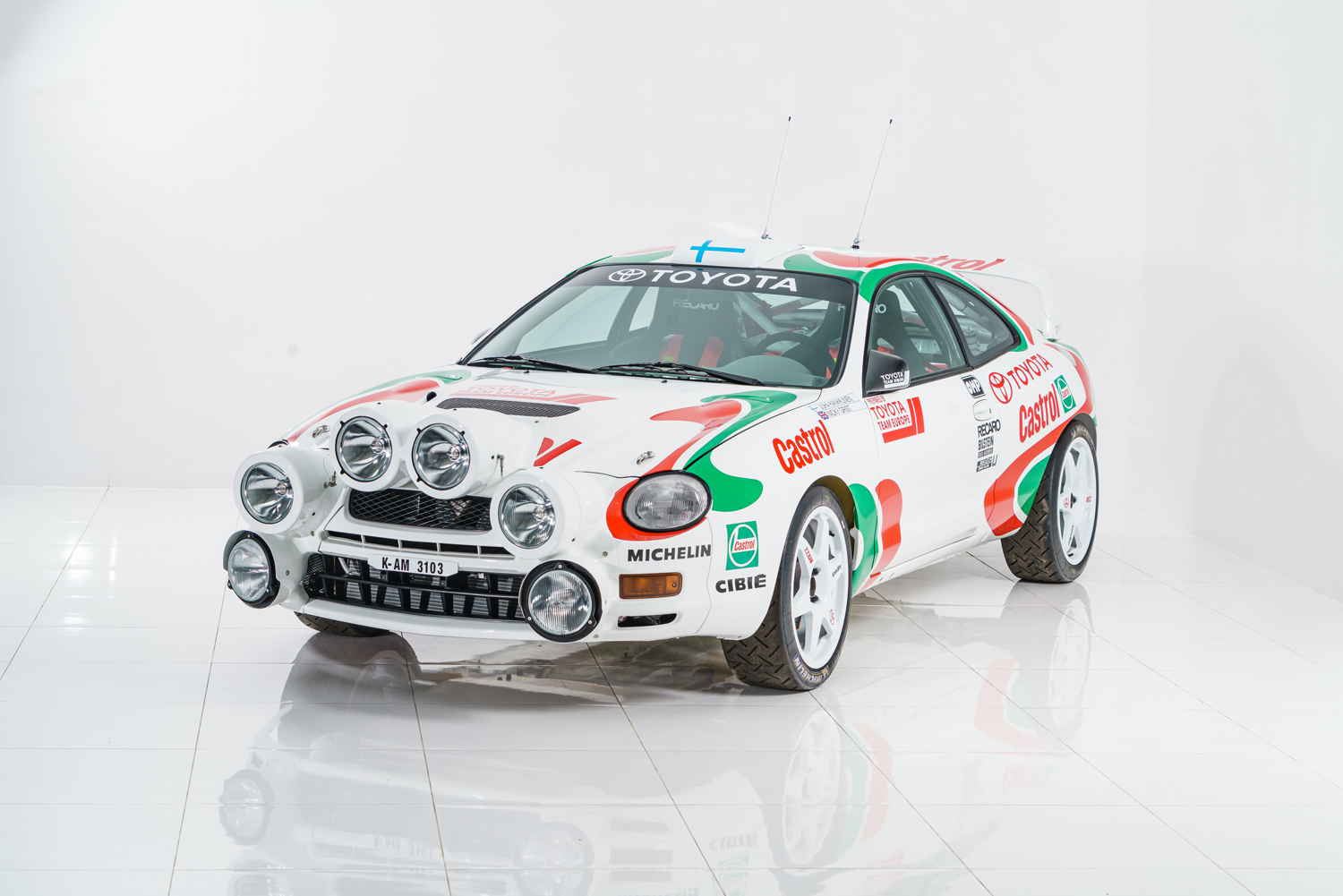
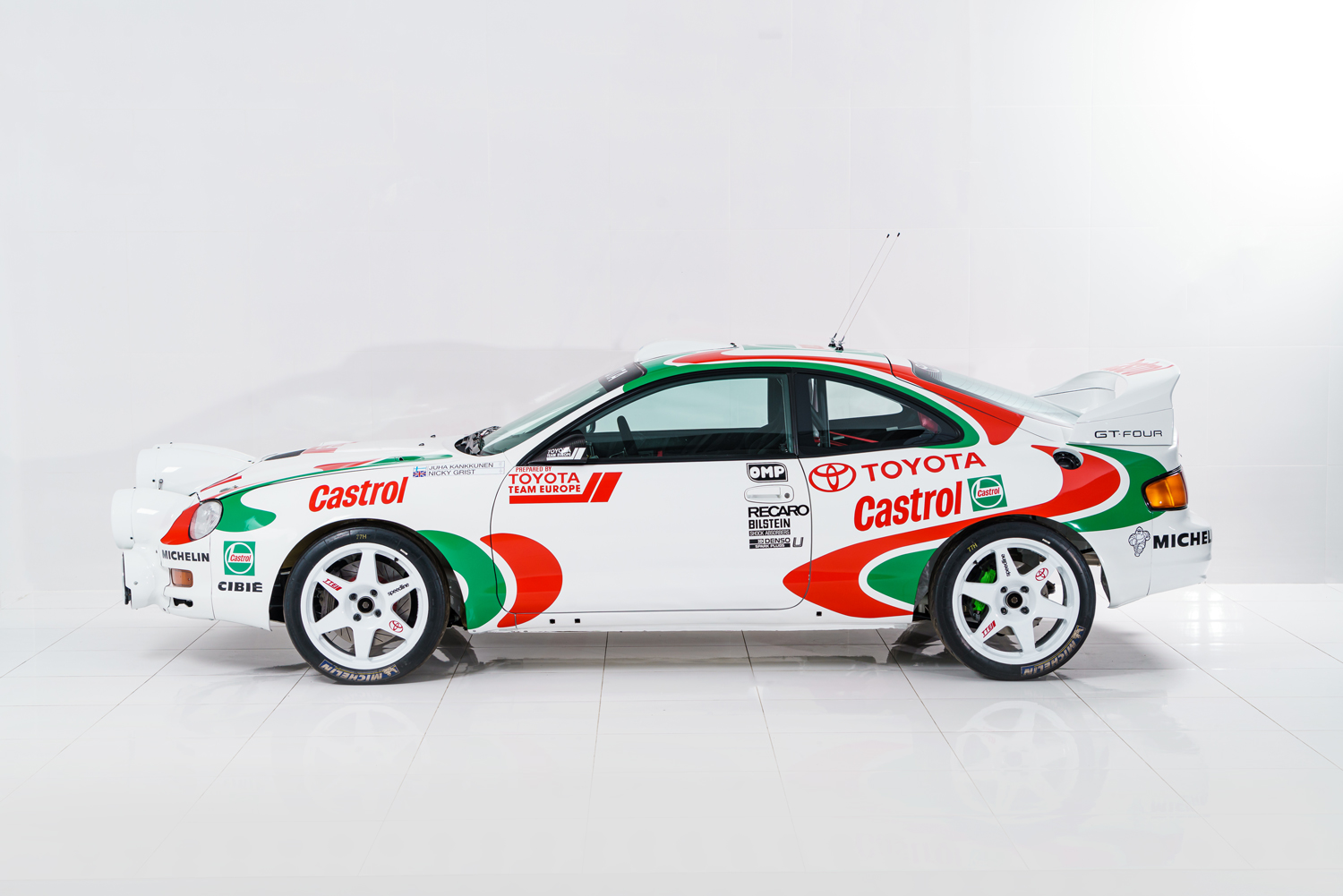
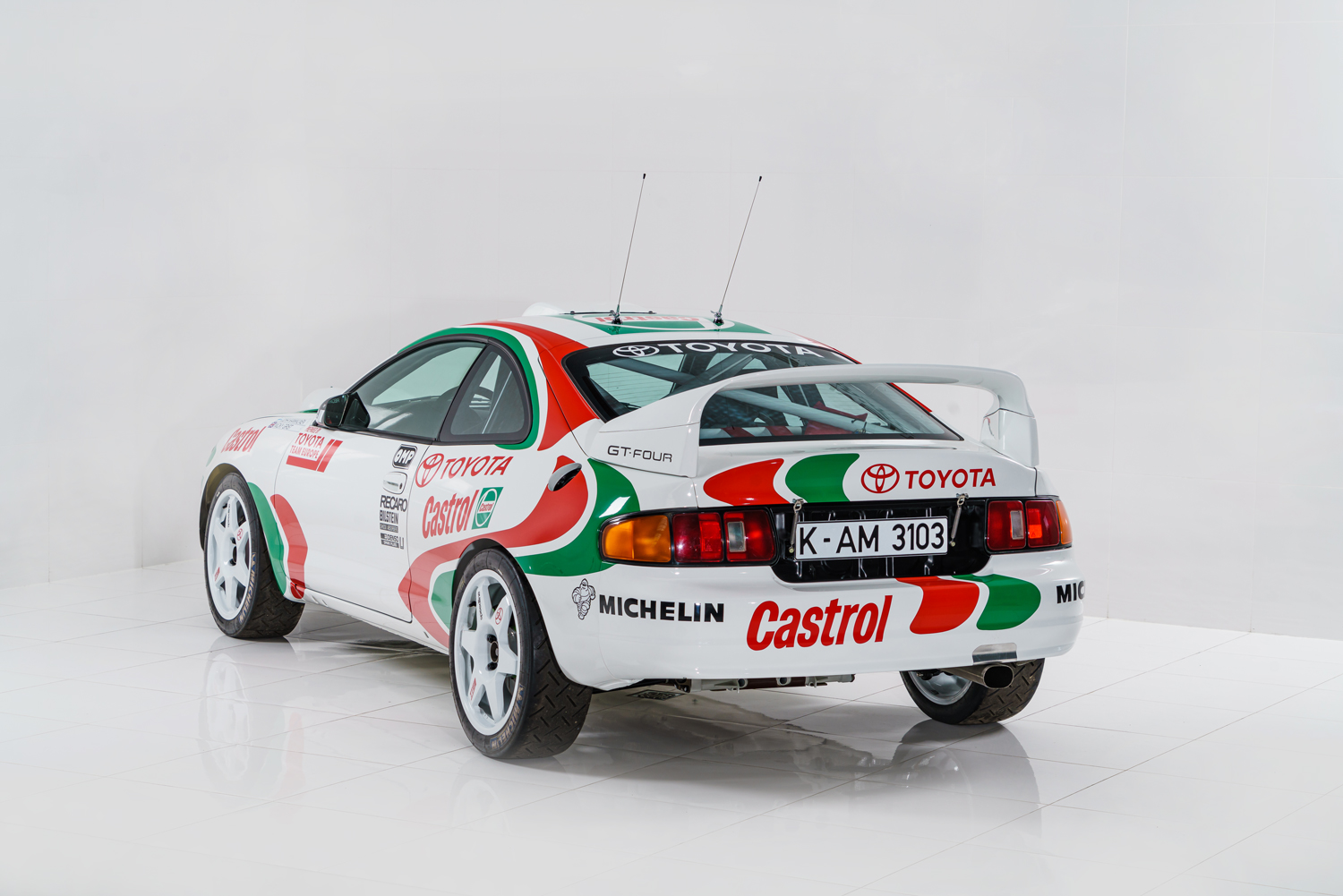
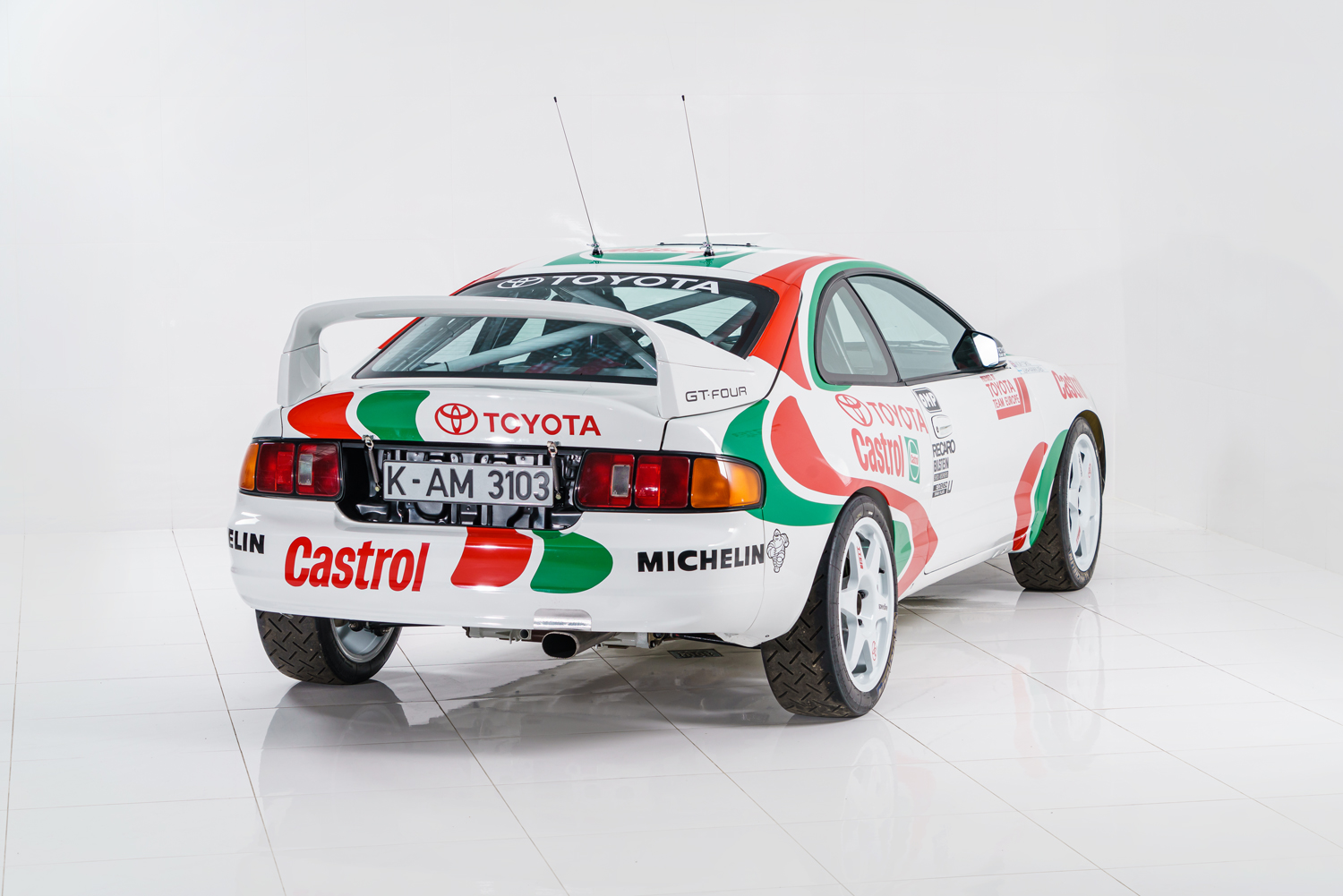
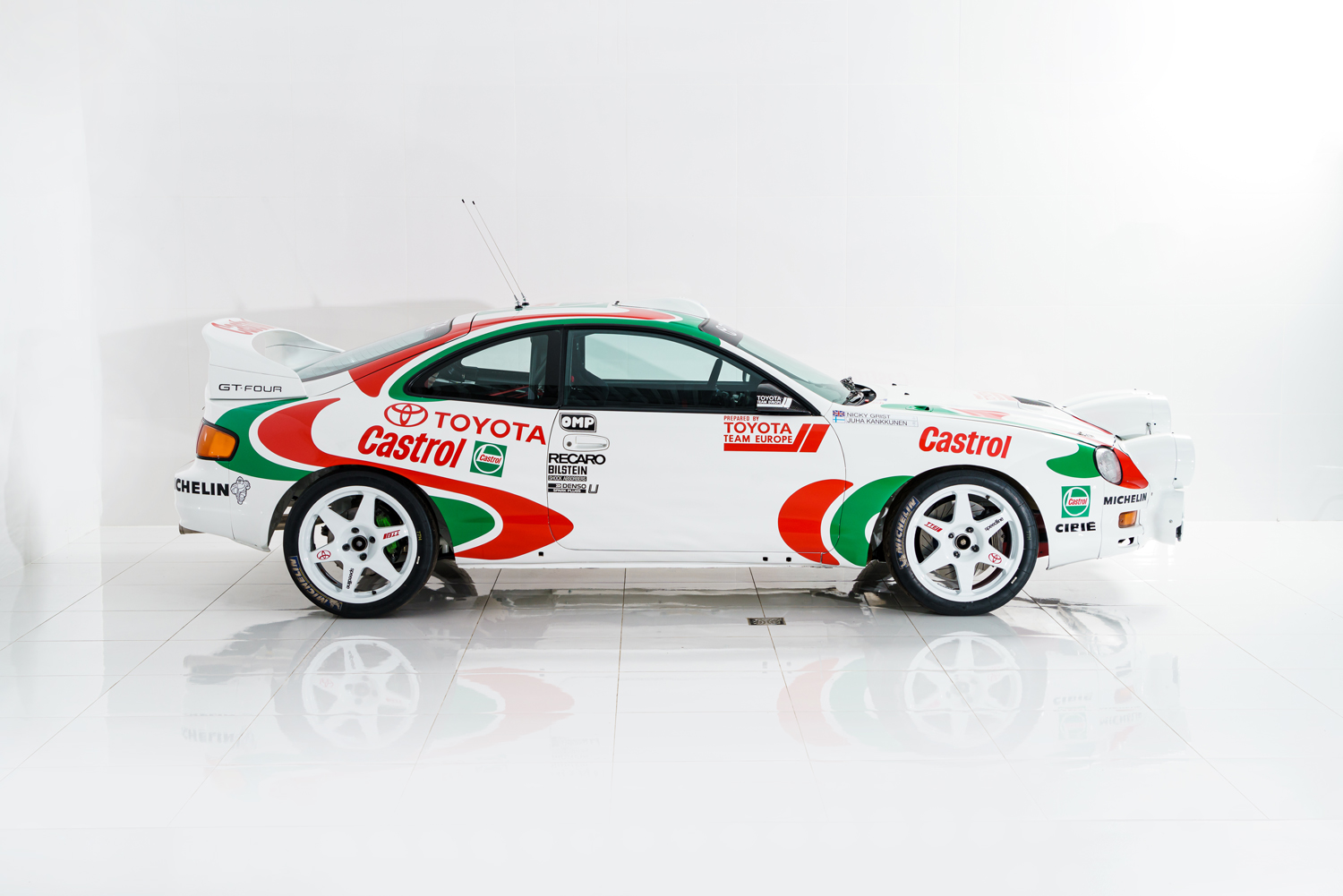
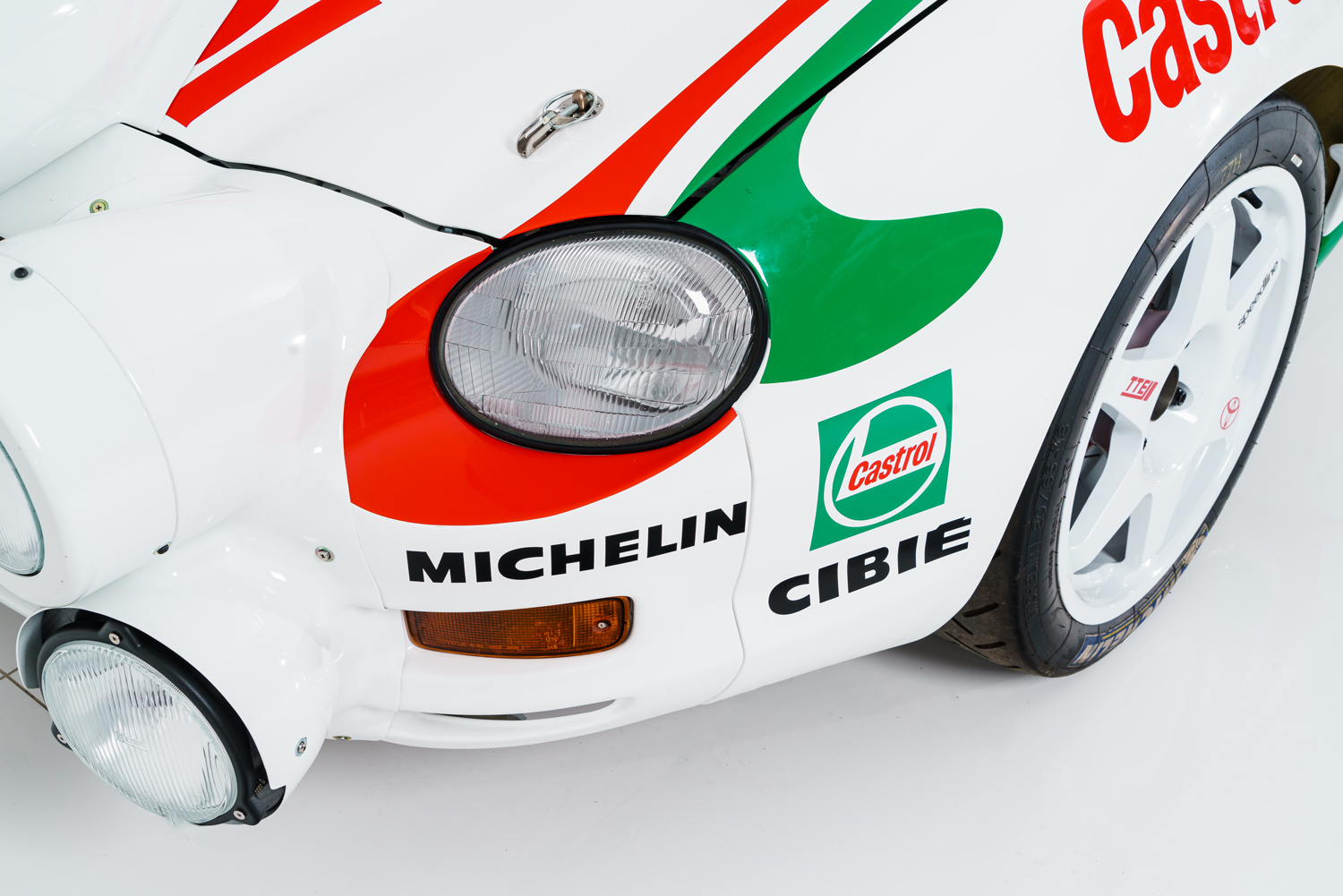
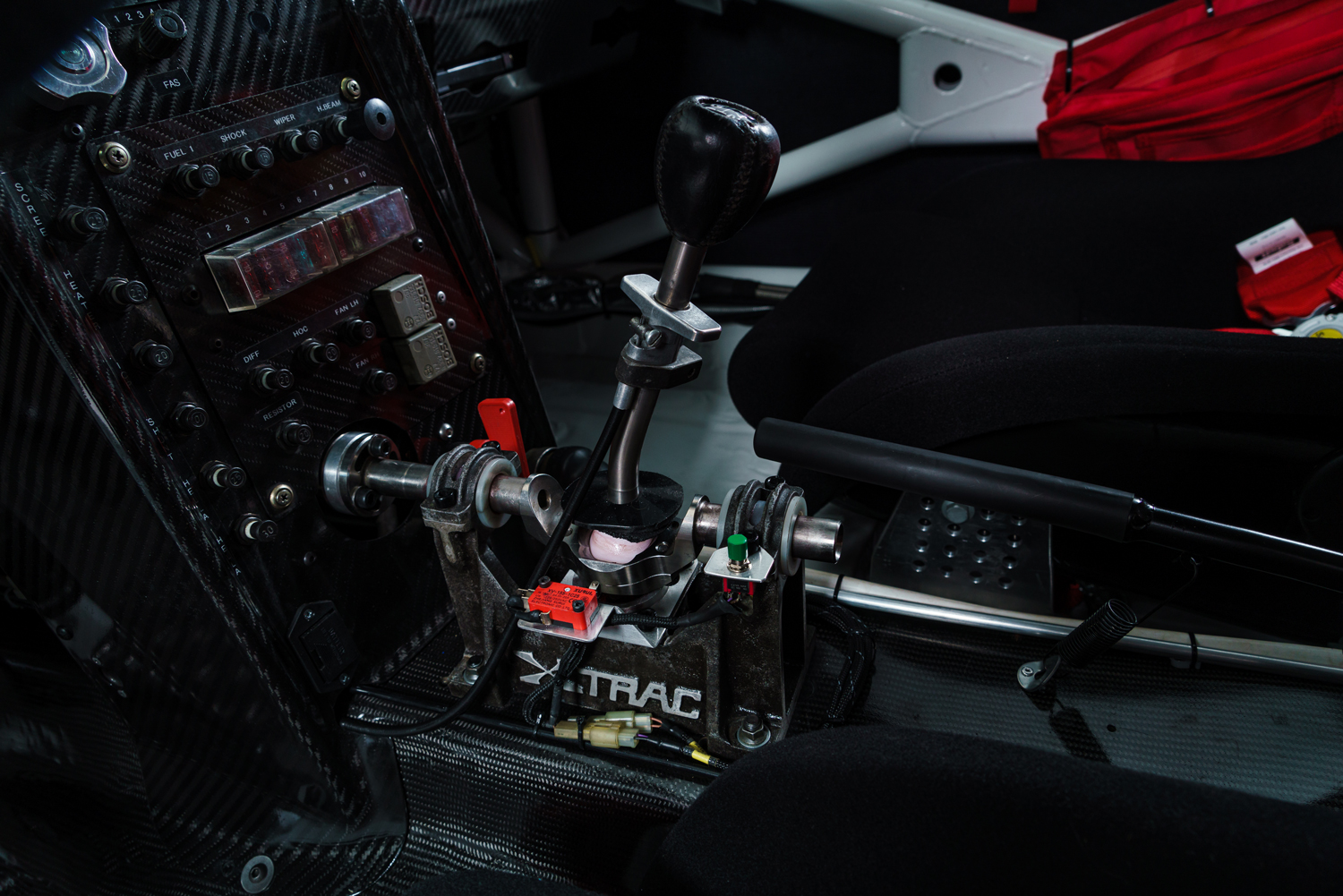
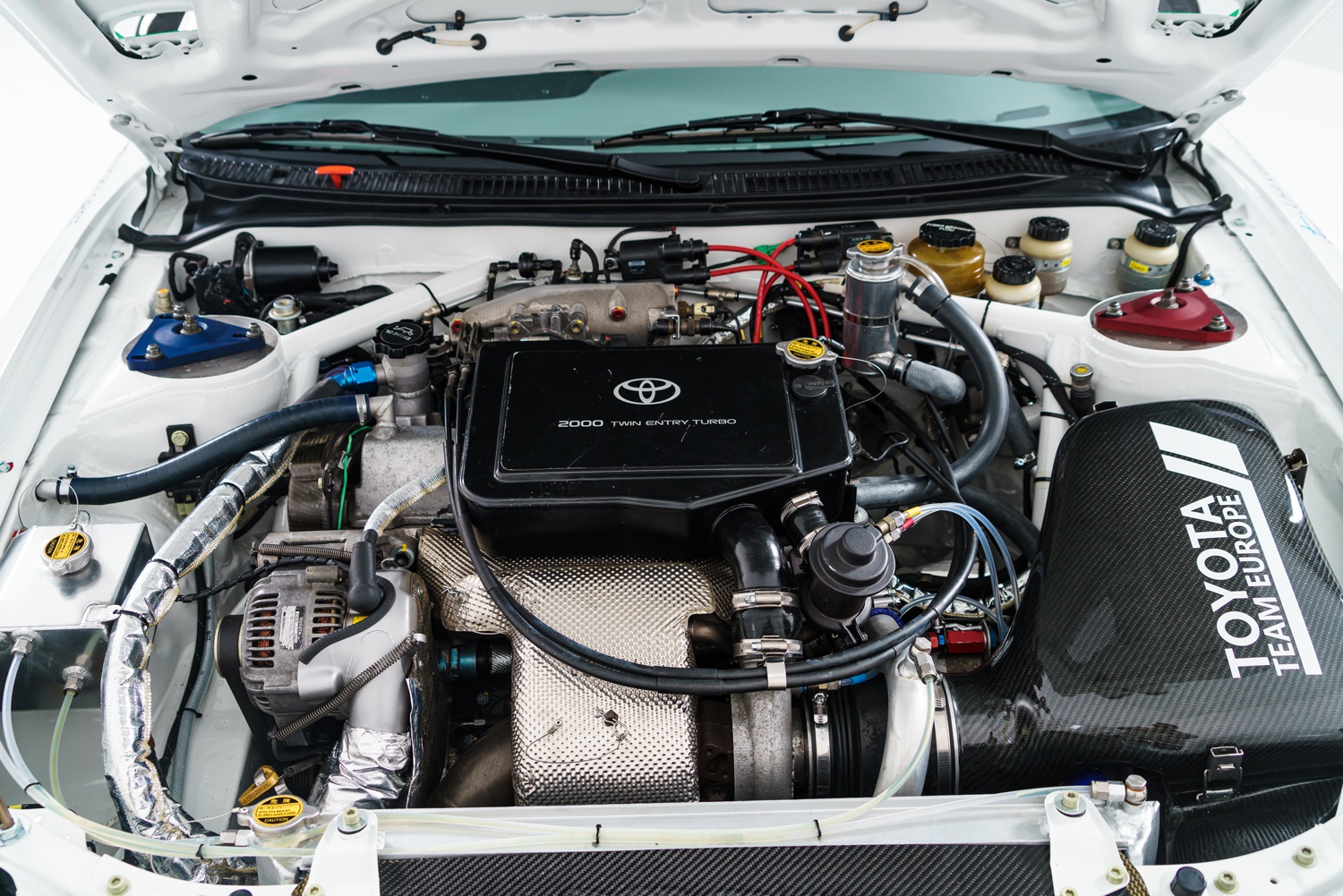
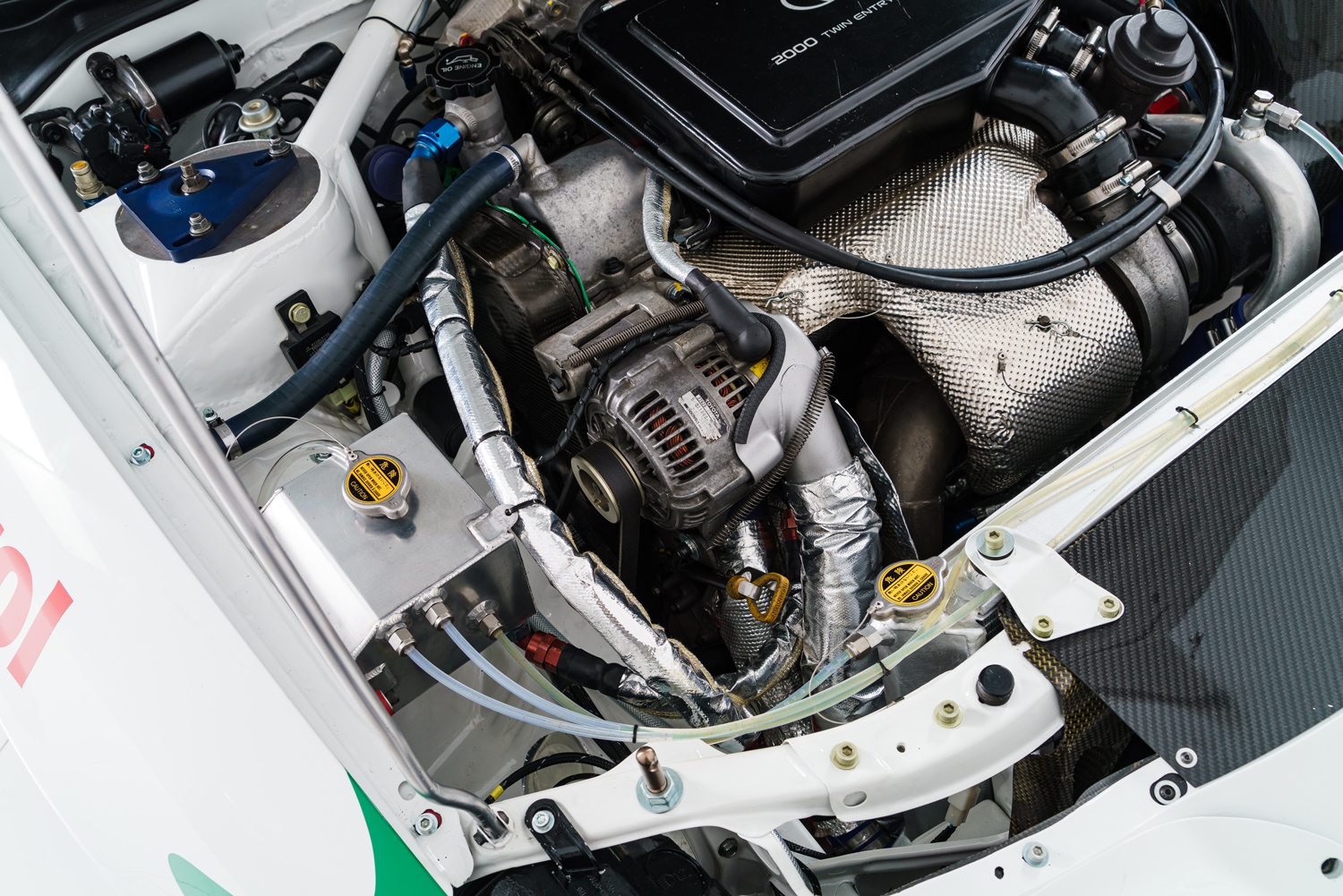
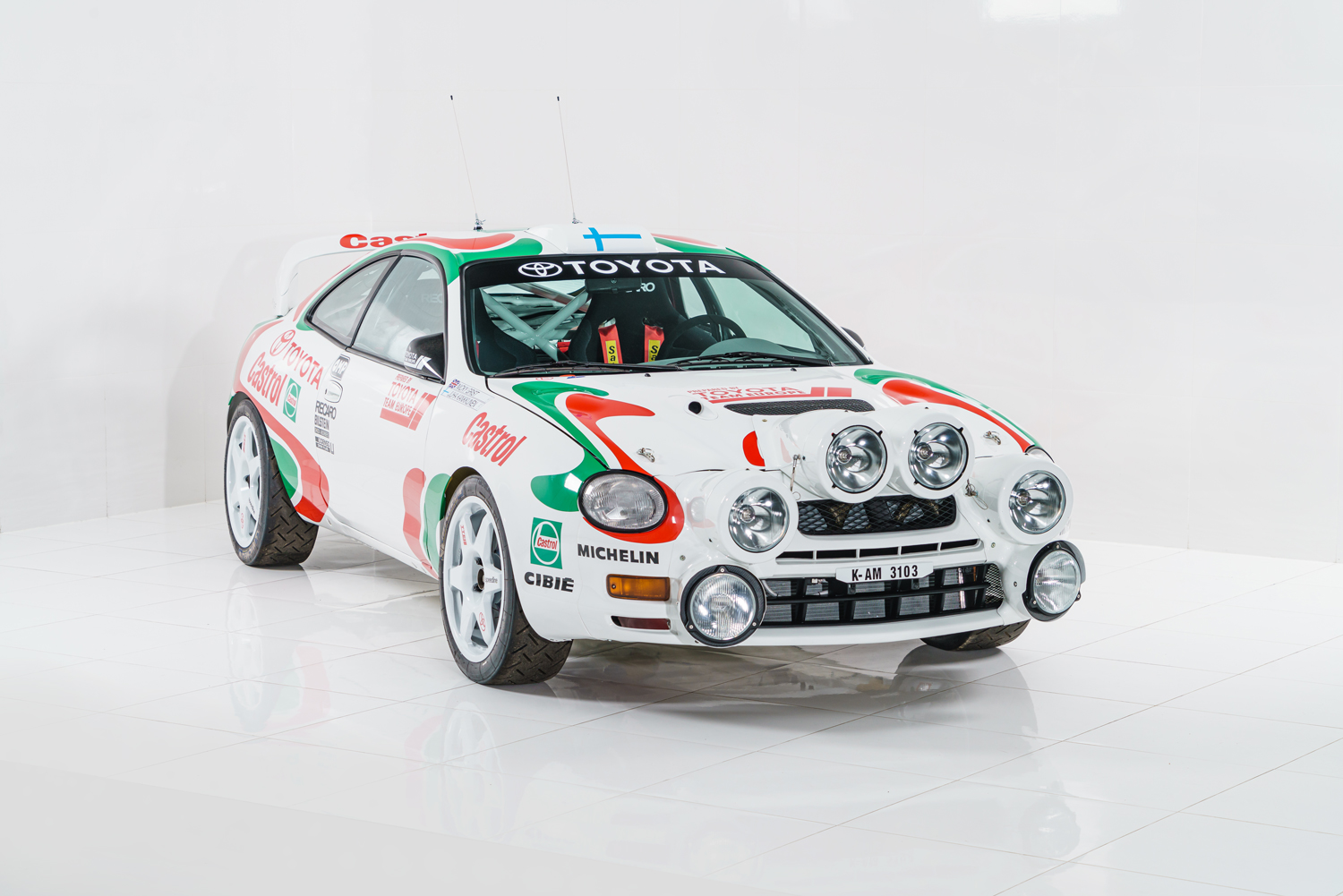
The Toyota Celica GT-Four ST205 wrote one of the most controversial, yet technically fascinating chapters in the history of the World Rally Championship (WRC). Introduced in 1994, this car was meant to follow up on the massive success of the previous ST185 generation, with which Carlos Sainz and Juha Kankkunen had collected championship titles. The ST205 generation represented the absolute pinnacle of the GT-Four drivetrain evolution. Under the hood, it hid a turbocharged 2.0-liter four-cylinder 3S-GTE engine, which produced around 300 horsepower in racing specification.The car received an upgraded all-wheel-drive system and advanced aluminum Super Strut suspension, designed to improve handling on tarmac. Visually, the car was dominated by a massive rear wing and an aggressive front end with four round headlights. Although the car was fast, from the very beginning it struggled with higher weight and poorer agility on narrow tracks compared to the emerging generation of smaller cars like the Subaru Impreza 555 or Ford Escort RS Cosworth. Despite this, Didier Auriol claimed victory at the prestigious Tour de Corse in 1995.The turning point came at Rally Catalunya in October 1995. It was then that the FIA technical scrutineers subjected the turbocharger restrictor to a detailed inspection. They discovered a mechanism that would go down in motorsport history. Toyota's engineers designed the restrictor so that during assembly and under normal inspection, it appeared completely legal. However, as soon as boost pressure built up in the turbo, internal springs pushed the restrictor back by 5 millimeters. This created a secret bypass, allowing 25% more air to flow into the engine. As a result, the Celica gained an illegal advantage of roughly 50 additional horsepower. The FIA President at the time, Max Mosley, described the mechanism as "the most sophisticated and ingenious device of its kind that I have seen in 30 years of motorsport." The system was so perfectly engineered that upon disassembly, it automatically returned to its original position, making it virtually impossible to detect.The consequences for Toyota Team Europe (TTE) were devastating: The team was disqualified from the entire 1995 season and stripped of all points.Toyota received a one-year ban from the WRC championship for the 1996 season. Drivers Juha Kankkunen, Didier Auriol, and Armin Schwarz lost all their points and championship chances. With the WRC ban in place, the factory team shifted its focus to the European Rally Championship (ERC). At the same time, the Toyota Celica ST205 became a dominant weapon in national championships in the hands of privateer teams and regional importers, who were not subject to the direct FIA penalty. The ultimate vindication for the ST205 model came when it won the 1996 European Rally Championship title. It was clinched by German driver Armin Schwarz, backed by the Austrian Toyota distributor. Schwarz absolutely dominated with the Celica ST205, winning prestigious European events such as the Hunsrück Rallye, the Rally Isle of Man, and the Cyprus Rally. In Belgium, the Celica ST205 achieved cult status thanks to the backing of the local importer, Toyota Team Belgium. In 1996 and 1997, a young and aggressive Freddy Loix delivered incredible performances with the car. His appearances at his home event, the Ypres Rally, went down in history, as he managed to beat even elite WRC drivers. It was precisely his results with the ST205 in the ERC that earned Loix the nickname "Fast Freddy" and a factory seat for the later Corolla WRC project.
OUR CAR
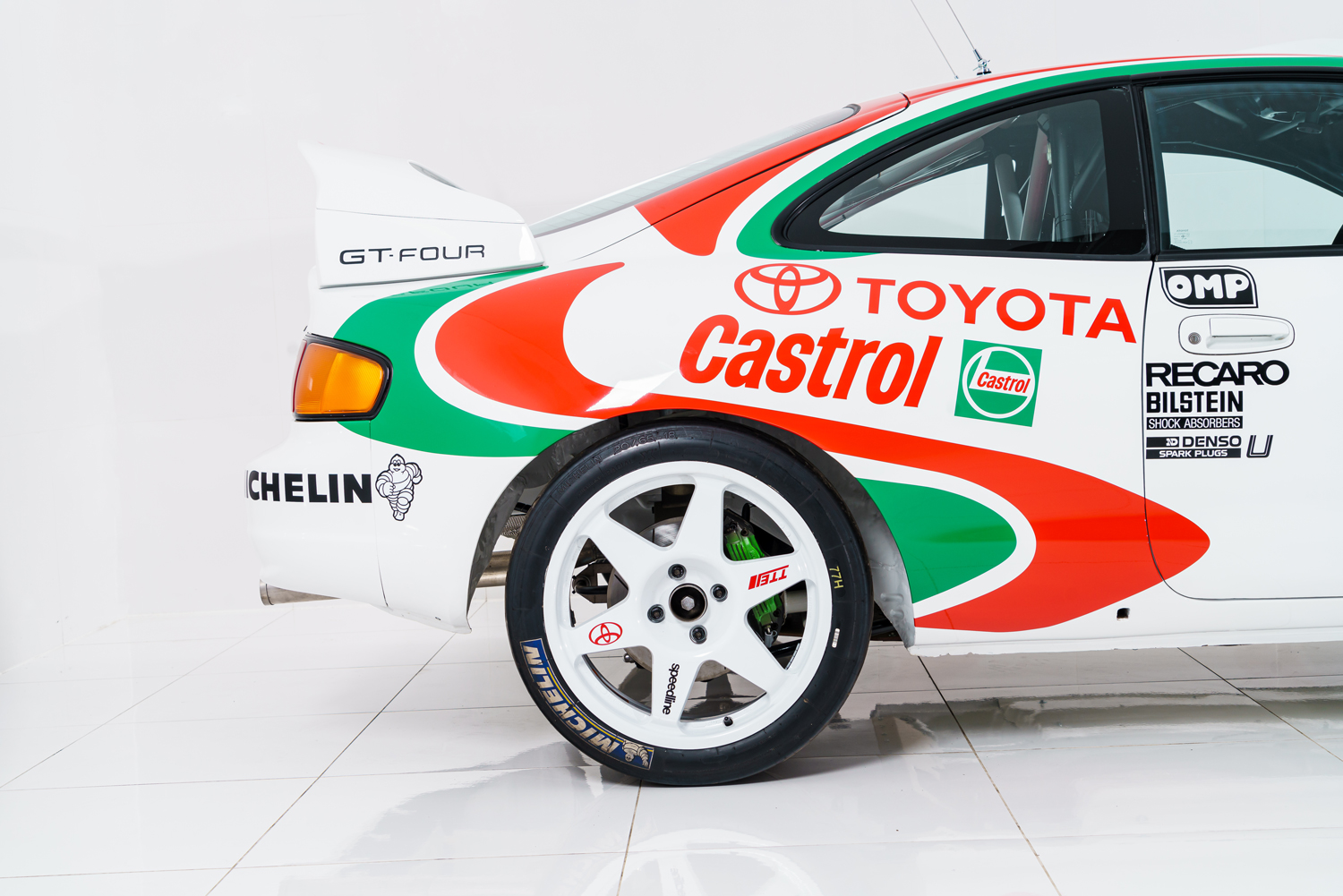
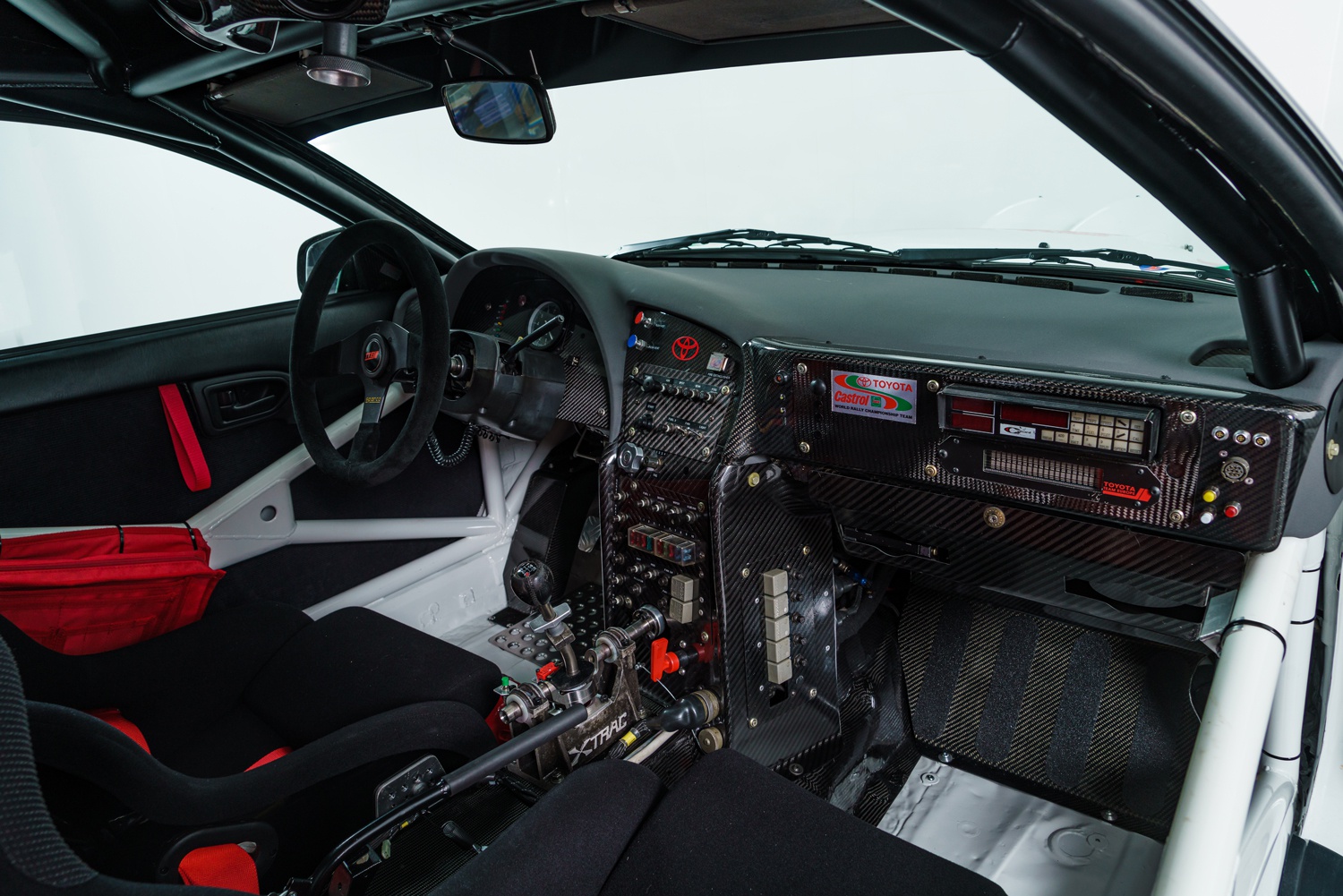
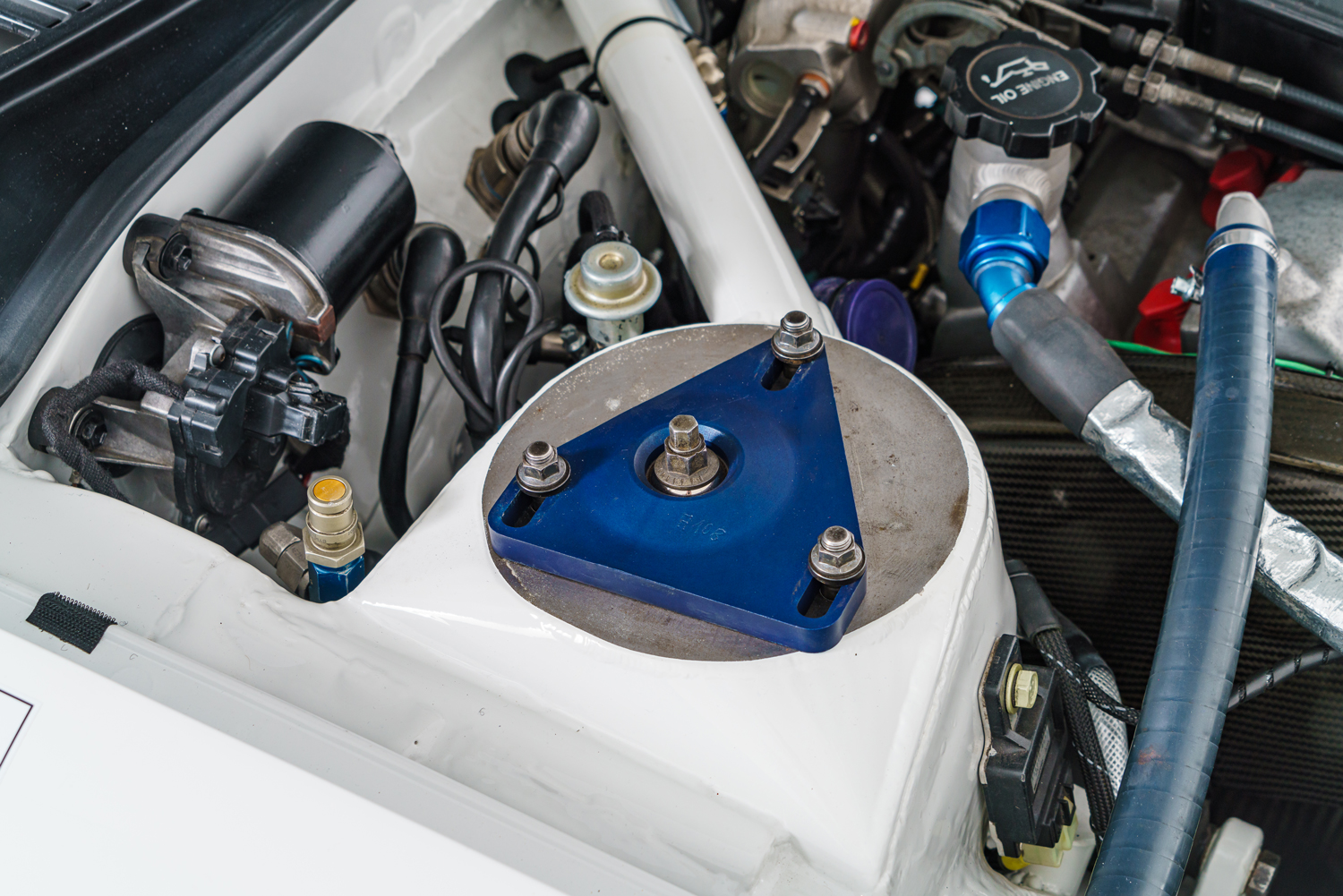
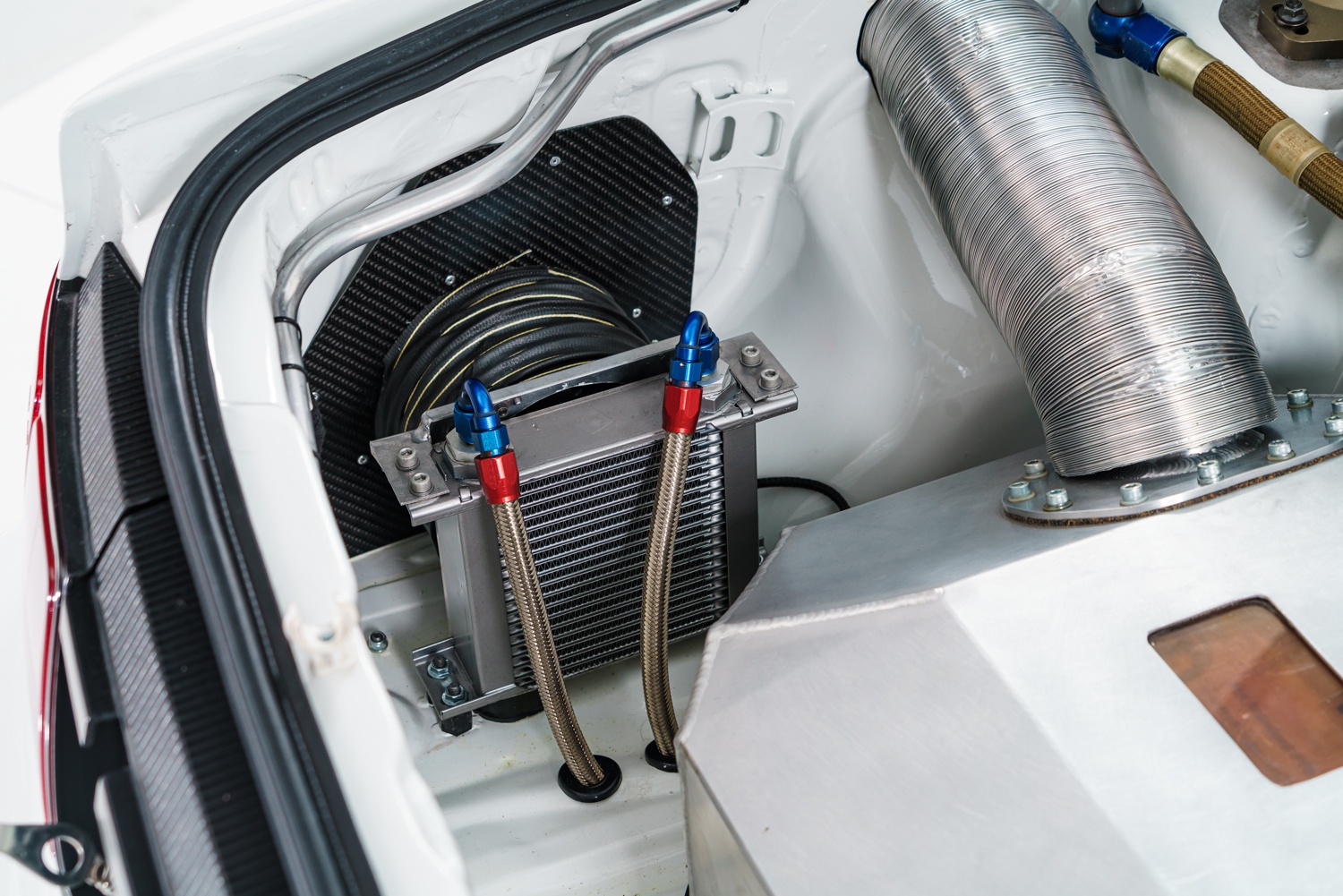
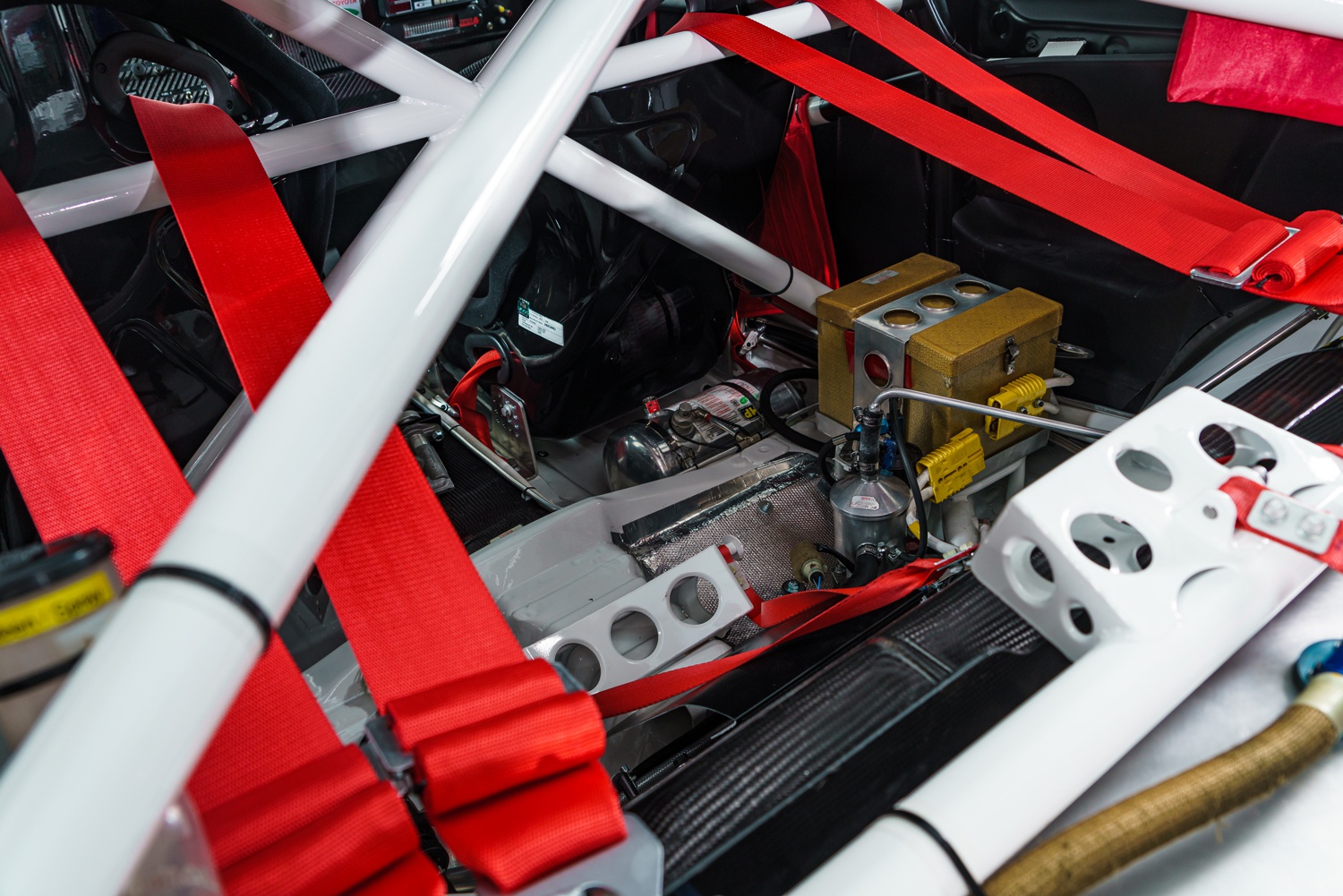
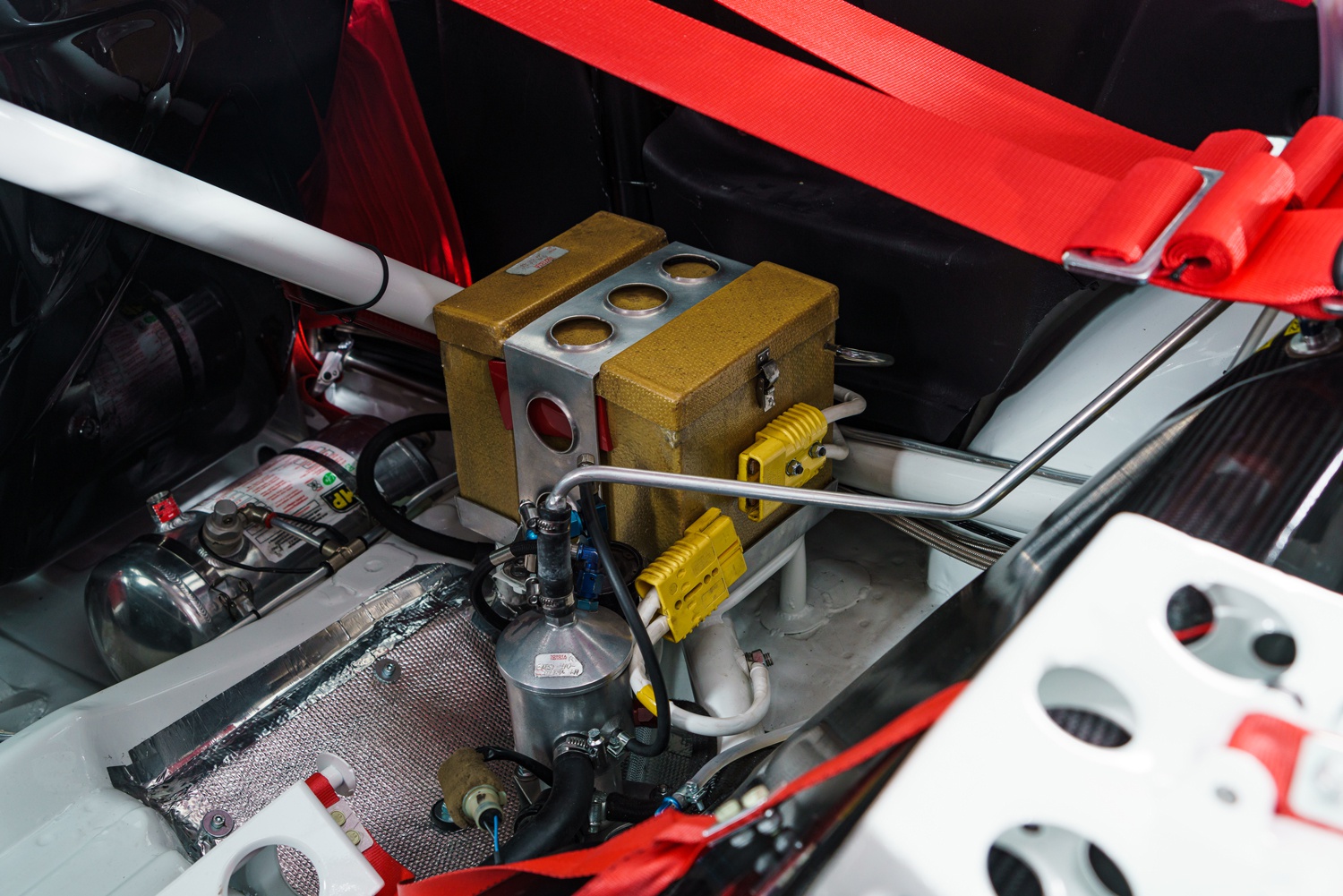
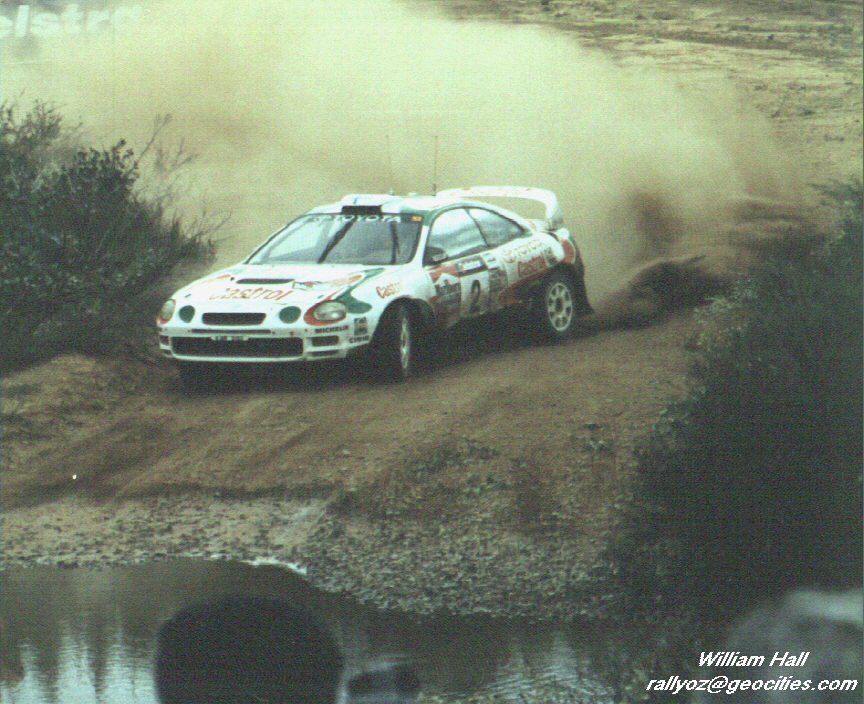
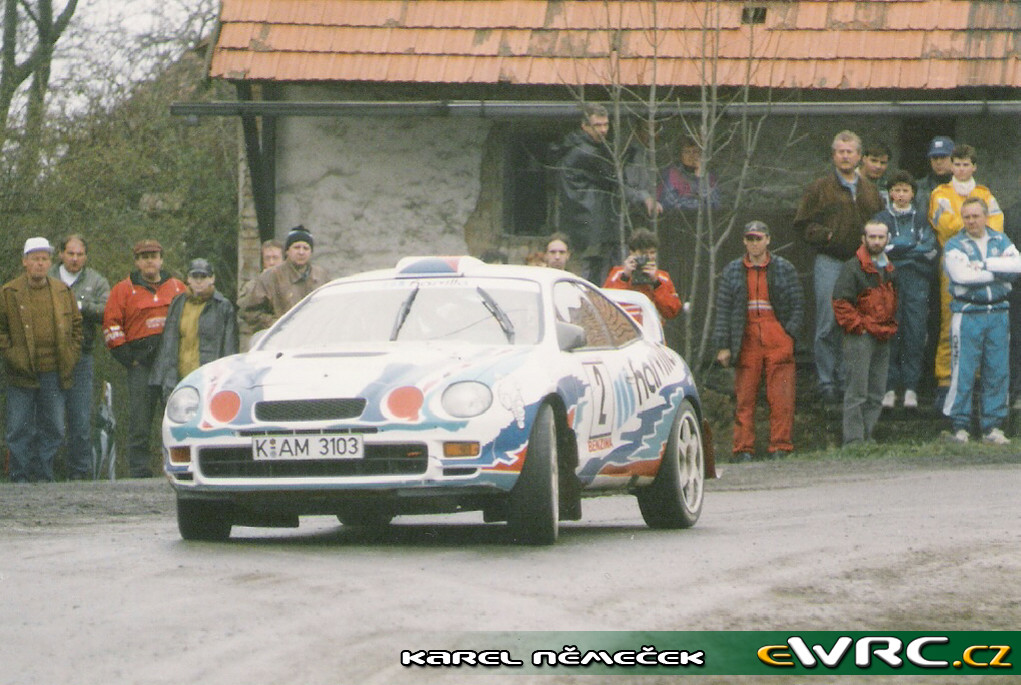
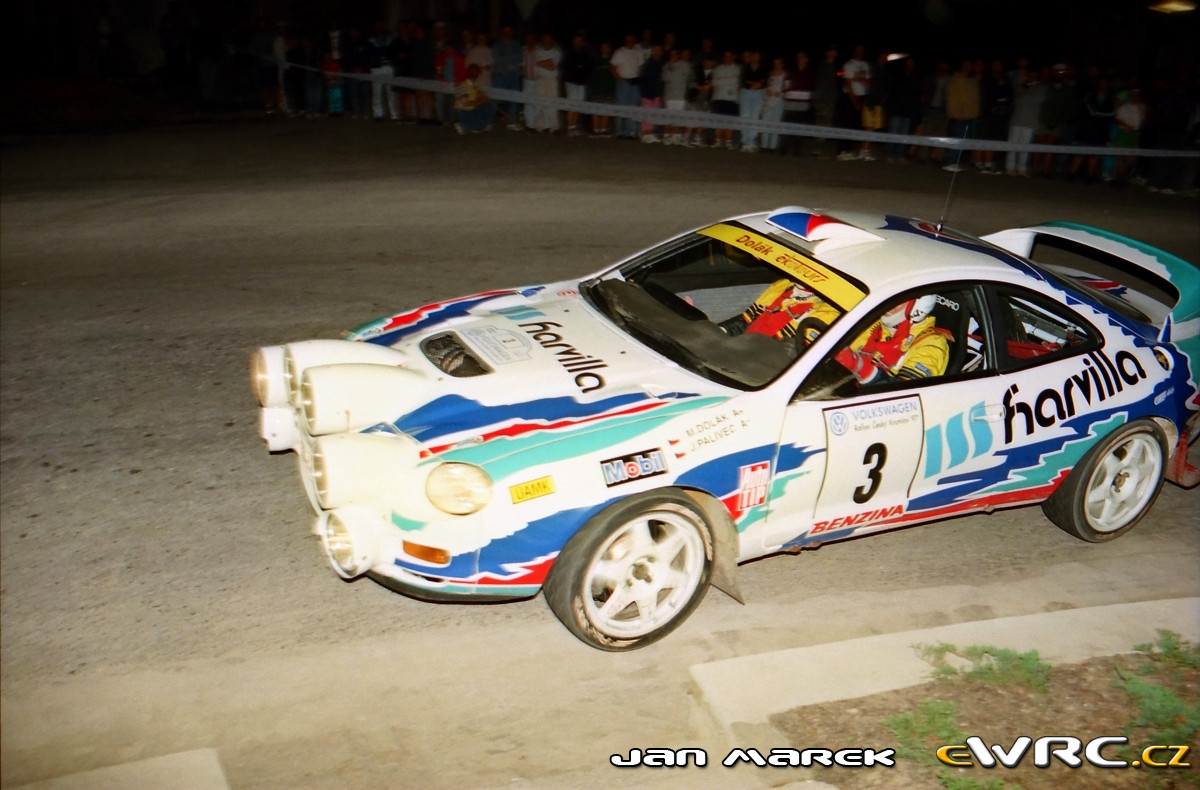
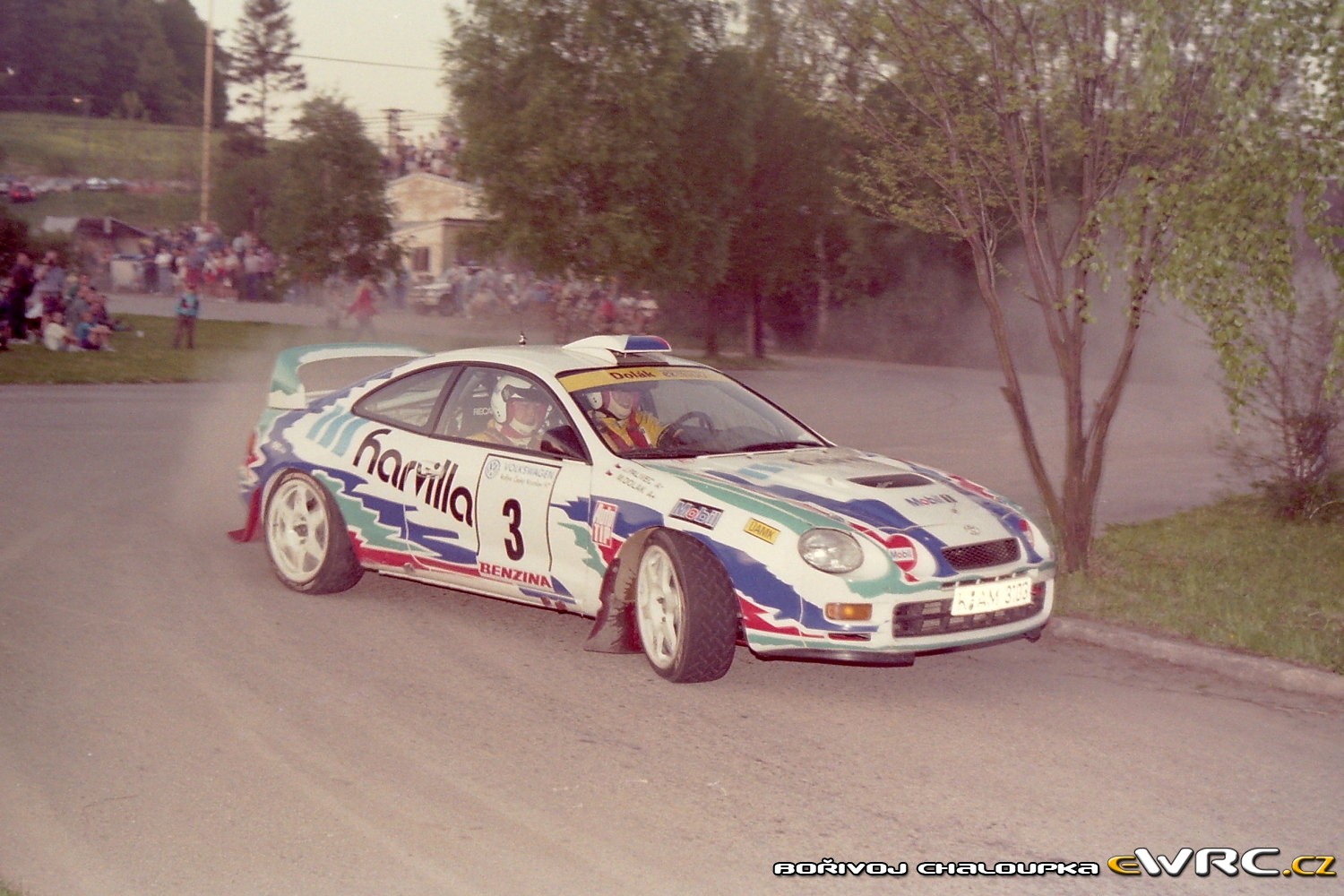
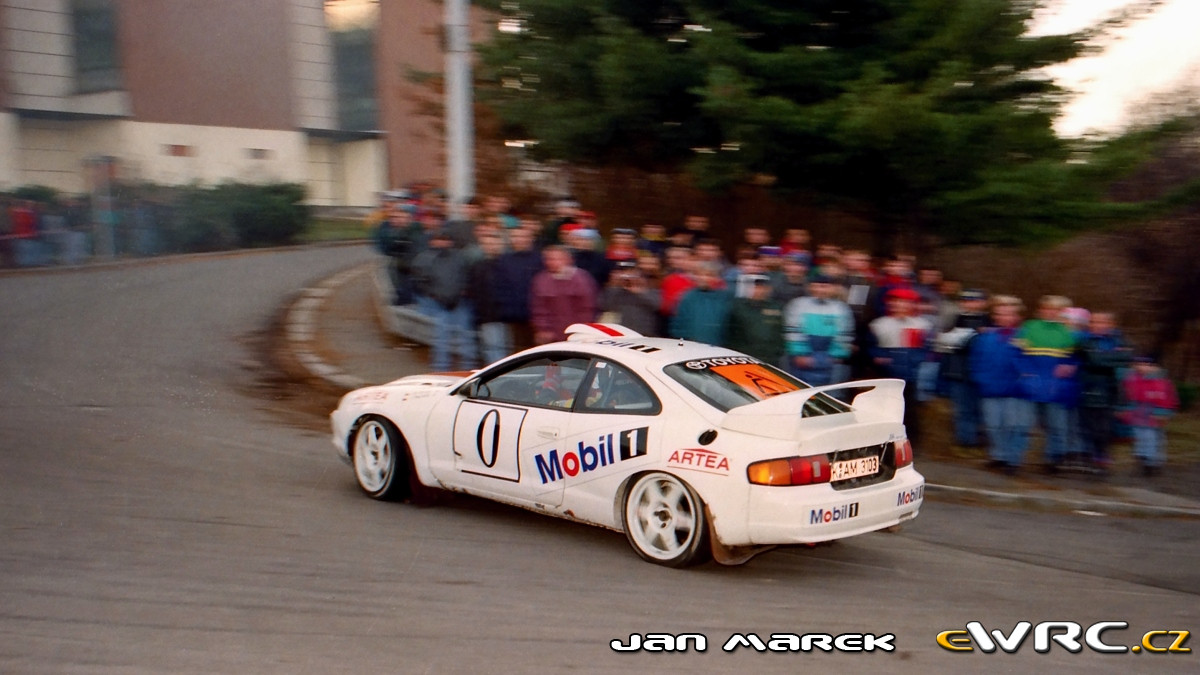
Our car with chassis number TC-528 has one WRC start to its credit, at the 1995 Telstra Rally Australia. Out of the trio of Toyotas at the start of the event, it achieved the best result, finishing 3rd overall. Juha Kankkunen, co-driven by Nicky Grist, was still leading on Saturday, but they lost time during Sunday's stages. Teammate Schwarz finished 5th, while Auriol crashed out.It was right after this rally that the massive scandal involving illegal turbocharger restrictors fully erupted, subsequently leading to Toyota's exclusion from the entire championship. The scrutineers became suspicious during the Langley Park super special stage, where two cars started side by side, and the Toyota's speed compared to the other vehicles was noticeably superior.For Czech fans, this car is very well known. In the 1997 season, it was driven by Milan Dolák and Jaroslav Palivec. That year, they won 87 special stages and a total of 6 rallies, which brought them the championship title ahead of Ladislav Křeček.For 1998, Dolák brought in a Corolla WRC, and the Celica moved to the Irish tarmac tracks, where its winning streak continued. Ian Greer and Dean Beckett drove it to clinch the Irish Tarmac Championship title. The car remained in Ireland until 2022, when it became part of our collection.